Starting a home garden is one of the simplest ways to bring nature closer to your everyday life. You do not need a large backyard, expensive equipment, or years of gardening experience to grow healthy plants at home. With a little planning, patience, and regular care, almost anyone can create a beautiful and productive garden.
When I first started learning about gardening, I realized that successful gardening is not really about doing complicated things. It is about understanding a few basic needs of plants. Plants need suitable soil, enough sunlight, proper watering, space to grow, and regular attention. Once these basics become clear, gardening starts to feel much easier.
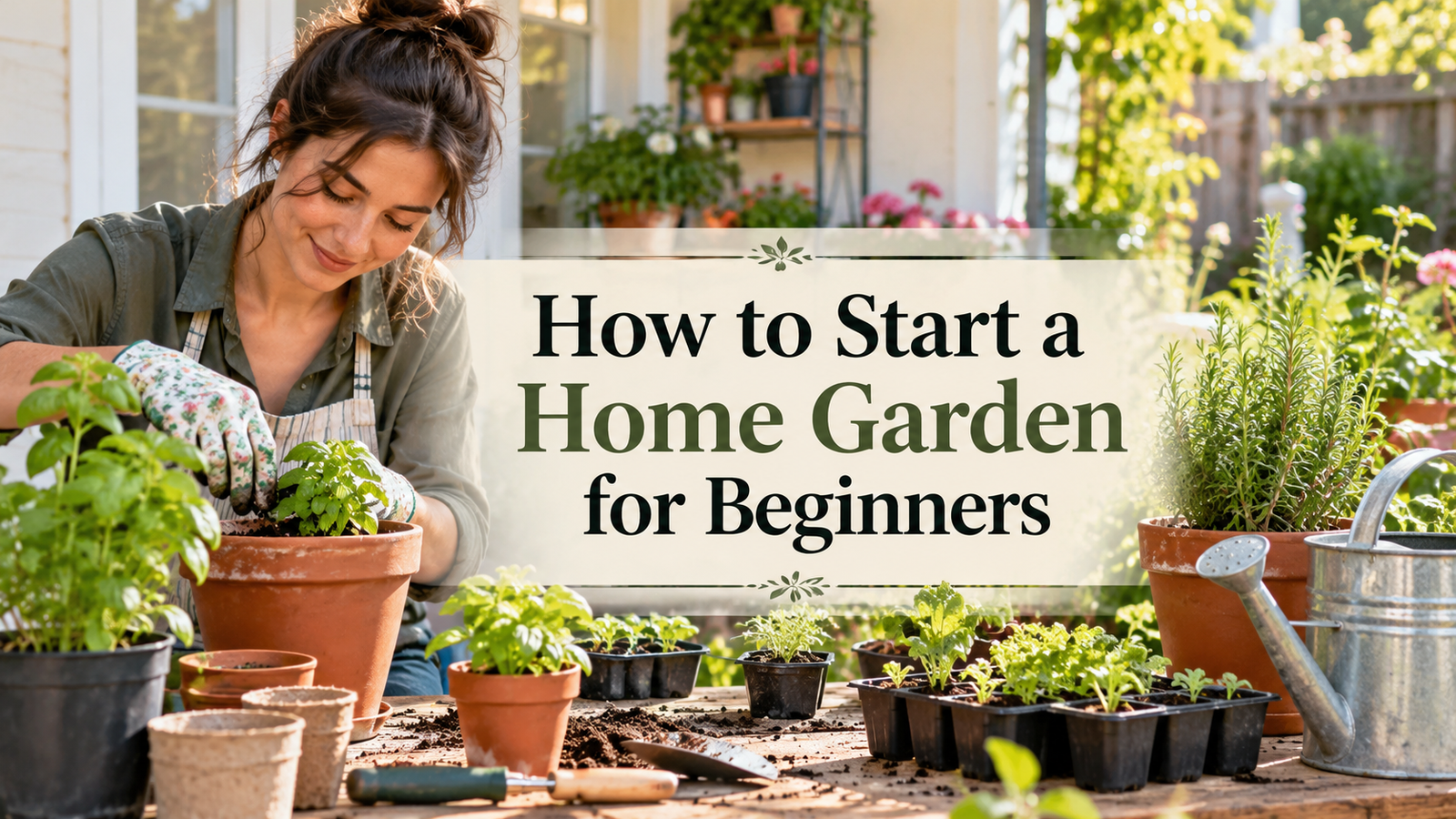
If you are completely new to growing plants, this guide on how to start a home garden for beginners will help you understand the process from the beginning. Instead of trying to create a perfect garden immediately, focus on learning slowly and enjoying the experience.
Decide What You Want to Grow
The first step in starting a home garden is deciding what type of plants you want to grow. Some people want fresh vegetables for their kitchen. Others are interested in herbs, flowers, fruit plants, or decorative greenery.
For beginners, it is usually better to start with a small number of easy plants. Growing too many varieties at once can make gardening difficult to manage.
Vegetables such as tomatoes, spinach, lettuce, radishes, peppers, and beans can be good choices for beginners. Herbs such as mint, basil, coriander, parsley, and rosemary are also useful because they do not usually require a lot of space.
If you prefer flowers, choose varieties that grow well in your local climate. The goal during your first gardening experience should be to understand how plants grow rather than filling every available space.
Choose plants that you will actually enjoy using or looking at. When you feel connected to what you are growing, regular garden care becomes much more enjoyable.
Find the Best Location
Location plays a major role in the success of a home garden. Before planting anything, observe different areas around your home during the day.
Most vegetables and flowering plants need several hours of direct sunlight. A place that receives good morning or daytime sunlight can be suitable for many common garden plants.
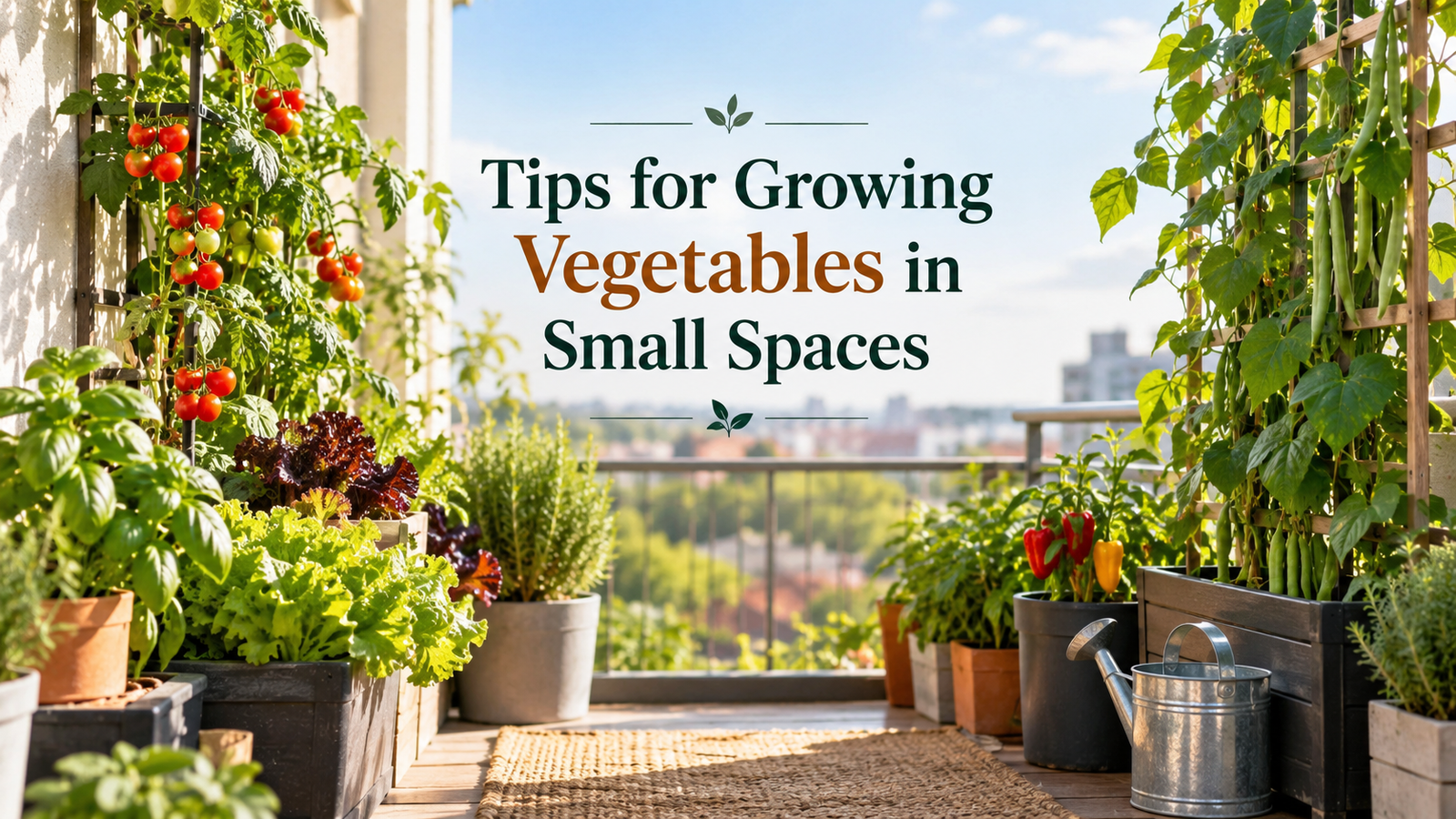
Your garden could be in a backyard, front yard, balcony, rooftop, patio, or even near a sunny window. You do not necessarily need traditional garden land.
Watch the sunlight for a few days before choosing the final location. A place may look bright in the morning but become shaded during the rest of the day because of buildings, walls, or trees.
Also consider access to water. A garden located close to a water source will be easier to maintain than one that requires carrying water over a long distance.
Good air circulation is helpful as well. Plants placed too closely in a poorly ventilated area may remain damp for long periods, which can encourage certain plant diseases.
Start With a Small Garden
One of the most common beginner gardening mistakes is starting with too much space.
A large garden looks exciting in the beginning, but it requires more watering, weeding, pruning, and general maintenance. If you are still learning, this can quickly become overwhelming.
Start with a small section of your yard or a few containers. You can always increase the size of your garden after gaining confidence.
Even five or six containers can teach you valuable gardening skills. You will learn how quickly soil dries, how plants react to sunlight, when leaves need attention, and how often different plants need water.
A smaller garden also allows you to notice problems earlier. This makes it easier to correct mistakes before they affect many plants.
Understand Your Soil
Healthy soil is the foundation of a healthy garden.
Many beginners focus mainly on watering and sunlight but forget that plants depend heavily on the quality of the soil around their roots.
Good garden soil should allow roots to receive both moisture and air. Soil that becomes extremely hard can make root development difficult. Soil that stays waterlogged can also create problems.
Adding organic matter can improve many types of soil. Compost is particularly useful because it adds nutrients while helping improve soil structure.
If you are planting directly in the ground, remove stones, weeds, and unwanted roots from the area. Loosen the soil before planting so young roots can spread more easily.
For container gardening, using a suitable potting mix is usually easier than filling pots with ordinary soil from the ground. Good potting soil is designed to provide drainage while holding enough moisture for plants.
Use Containers When Space Is Limited
Container gardening is one of the best options for anyone learning how to start a home garden for beginners.
Pots allow you to grow plants on balconies, patios, rooftops, entrances, and other small spaces. Containers can also be moved when sunlight conditions change.
Always make sure containers have drainage holes. Water needs a way to escape from the bottom. Without proper drainage, roots can remain wet for too long.
Choose the container size according to the plant. Small herbs can often grow in smaller pots, while tomatoes and other larger plants usually need more soil and root space.
Do not overcrowd pots. A tiny container filled with several plants may look attractive initially, but the plants will eventually compete for water, nutrients, and space.
Container plants may need more frequent watering than plants growing directly in garden soil because pots can dry faster.
Learn How to Water Correctly
Watering is simple, but it is also one of the areas where beginners commonly make mistakes.
Plants need water, but giving them too much water can be just as harmful as giving them too little.
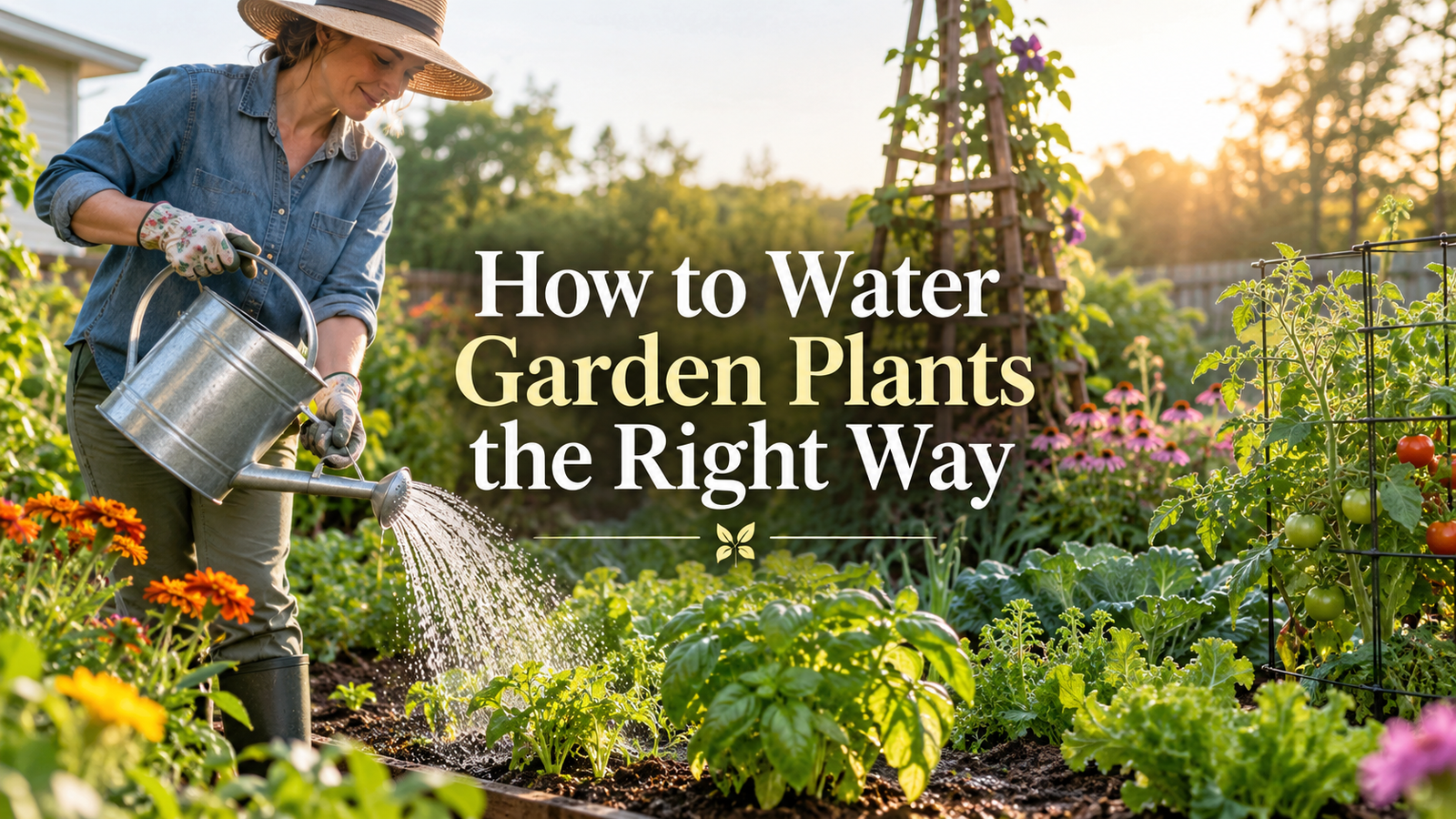
Instead of following a strict watering schedule for every plant, check the soil. Touch the upper layer with your finger. If the soil still feels moist, the plant may not need water yet.
When watering, try to water the soil around the roots rather than constantly wetting the leaves.
Morning is often a practical time to water because plants can absorb moisture before the warmest part of the day. It also allows wet surfaces to dry gradually.
Remember that watering needs change according to weather. Plants may need more water during hot periods and less during cooler or rainy conditions.
Young seedlings often require more careful monitoring because their root systems are still developing.
Plant at the Right Time
Different plants grow best during different seasons.
Before planting, learn whether your chosen plant prefers warm weather or cooler conditions. Planting at an unsuitable time can make gardening much more difficult.
Local climate is more important than following a gardening calendar from another region. Temperature, rainfall, sunlight, and seasonal conditions vary from place to place.
Seed packets often provide useful information about planting depth, spacing, germination, and growing conditions.
If you are growing from seeds, follow the recommended planting depth. Seeds planted too deeply may struggle to reach the surface.
Beginners can also start with young nursery plants. These plants are already established, which can make the early gardening process easier.
Give Plants Enough Space
Small seedlings can make a garden look empty at first, which often encourages beginners to plant them too closely.
However, healthy plants become much larger as they mature.
Proper spacing allows roots to develop and leaves to receive enough sunlight. It also improves air movement between plants.
Crowded plants may compete for nutrients and moisture. Their leaves can also create dense areas where moisture remains trapped.
Check the expected mature size of each plant before deciding how much space to provide.
Giving plants enough room from the beginning saves you from having to move them later.
Feed Your Plants Carefully
Plants remove nutrients from the soil as they grow, so maintaining soil fertility is an important part of home gardening.
Compost is one of the simplest ways to improve garden soil naturally. Well prepared compost can contain decomposed kitchen and garden materials that return useful organic matter to the soil.
Fertilizers can also provide nutrients, but more fertilizer does not automatically mean faster or healthier growth.
Always follow the recommended amount when using any commercial plant food. Too much fertilizer can damage plants or create weak growth.
Beginners should focus first on good soil, proper watering, and suitable sunlight. These basic conditions often make a bigger difference than constantly adding extra products.
Keep Weeds Under Control
Weeds compete with garden plants for space, water, sunlight, and nutrients.
Removing weeds while they are small is much easier than waiting until they develop deep roots.
Check your garden regularly and pull unwanted plants before they spread.
A layer of organic material over the soil can sometimes help reduce weed growth while also slowing moisture loss. Materials should be placed carefully so they do not remain packed tightly against plant stems.
Regular observation is more effective than allowing weeds to build up and trying to remove everything at once.
Watch for Pests and Plant Problems
Every gardener eventually notices insects, damaged leaves, or unhealthy plants.
The important thing is not to panic whenever you see an insect. Many insects are harmless, and some can even be helpful in a garden.
Inspect leaves regularly, including their undersides. Look for unusual holes, discoloration, spots, curling, or signs of insects.
Early detection makes most garden problems easier to manage.
Keeping your garden clean can also help. Remove badly damaged plant material and avoid allowing dead leaves to collect unnecessarily around plants.
Before using any treatment, try to understand what is actually causing the problem. Poor watering, weak soil, extreme heat, and lack of sunlight can sometimes create symptoms that look similar to pest damage.
Create a Simple Gardening Routine
A healthy garden does not normally require hours of work every day.
A short regular routine can be enough.
Walk through your garden and observe the plants. Check whether the soil needs water. Look at the leaves. Remove weeds when you notice them. Support plants that are becoming tall or heavy.
This regular observation helps you understand what normal growth looks like.
Over time, you will start recognizing when something changes. A plant with drooping leaves, dry soil, unusual color, or slow growth will become easier to notice.
Gardening becomes much simpler when small tasks are completed regularly instead of waiting until several problems develop together.
Keep Basic Gardening Tools
You do not need a large collection of tools to start a home garden.
A few basic items are usually enough for beginners.
A small hand tool can help loosen soil. Gardening gloves can protect your hands. Pruning scissors are useful for cutting damaged leaves and harvesting certain herbs. A watering can or hose makes watering easier.
If you are using containers, keep a small scoop for handling potting soil.
Clean tools occasionally, especially after working with unhealthy plants. Good tool care helps equipment last longer and keeps your gardening area organized.
Avoid buying expensive tools before you know what you actually need. Your collection can grow naturally as your gardening experience increases.
Keep Notes About Your Garden
One of the best ways to improve your gardening skills is to keep simple records.
Write down what you planted, when you planted it, and where it was placed.
You can also record how often you watered certain plants, when flowers appeared, and when vegetables were harvested.
These notes become extremely useful during the next growing season.
Gardening involves observation and learning. The conditions in your own home garden can teach you things that general gardening advice cannot.
For example, you may discover that one corner receives better morning sunlight or that certain pots dry faster than others.
Keeping notes helps turn these observations into practical knowledge.
Be Patient With Your Plants
Gardening teaches patience.
Seeds do not become mature plants overnight. Some plants grow quickly, while others take weeks before noticeable changes appear.
Avoid constantly disturbing the soil to check whether seeds are growing. Give them the proper conditions and enough time.
You will also make mistakes. Every gardener does.
A plant may receive too much water. You may choose the wrong location. Seeds may fail to germinate. A vegetable plant may produce less than expected.
These experiences are part of learning.
Instead of seeing an unsuccessful plant as a failure, try to understand what happened. Each gardening season can improve your knowledge.
Enjoy the Process
A home garden is more than a place where plants grow.
It can become a peaceful part of your daily routine. Watching a seed become a healthy plant creates a sense of progress that is difficult to experience in many other activities.
You may eventually harvest herbs for cooking, pick fresh vegetables, enjoy colorful flowers, or simply spend a few quiet minutes around your plants.
The greatest advantage of starting small is that gardening remains enjoyable instead of becoming another stressful responsibility.
You do not need a perfect garden to become a successful gardener. You simply need curiosity, patience, and the willingness to learn from what you grow.
Final Thoughts
Learning how to start a home garden for beginners becomes much easier when you focus on the basics. Choose a suitable location, start with a few easy plants, prepare healthy soil, provide enough sunlight, and learn how to water correctly.
Do not rush to create a large garden immediately. Begin with a manageable space and allow your knowledge to grow along with your plants.
Pay attention to seasonal conditions, give plants enough room, remove weeds regularly, and check leaves for early signs of problems. Most importantly, spend time observing your garden.
Gardening knowledge develops through experience. Books and guides can teach useful principles, but your plants will also teach you through their growth and changes.
With consistent care, even a small balcony or backyard corner can become a productive home garden. What begins with a few pots or seeds may eventually turn into a rewarding hobby that brings fresh food, natural beauty, and a stronger connection with the environment into your everyday life.