

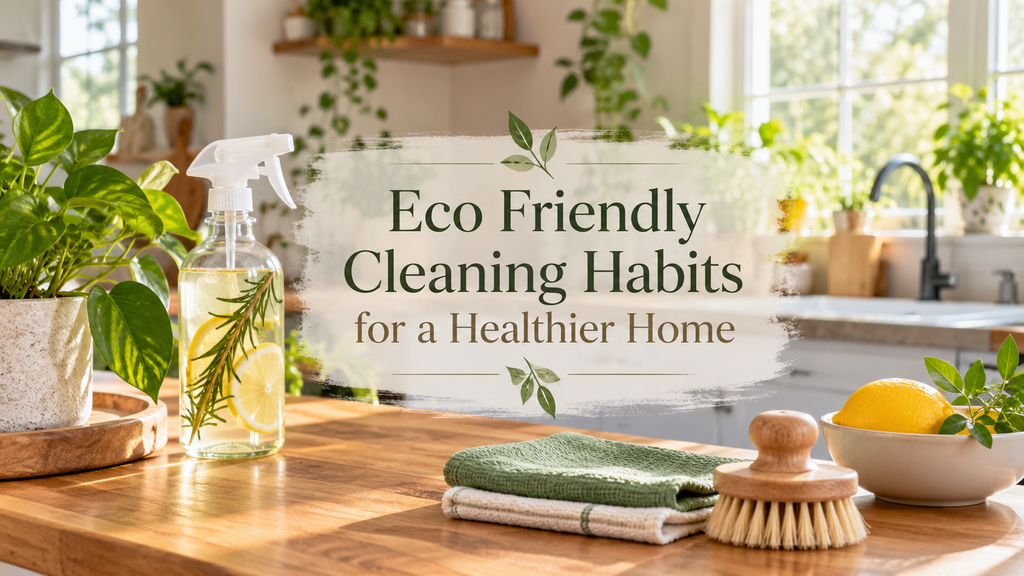
Keeping a home clean is an important part of everyday life, but the way we clean can have a surprisingly large effect on our health and the environment. Many people focus only on removing dust, stains, grease, and odors without thinking about the products they use or the waste their cleaning routine creates. Developing eco friendly cleaning habits for a healthier home can make daily cleaning simpler, safer, and more responsible.
Eco friendly cleaning does not mean that you need expensive products or a completely new cleaning system. In most cases, it means using fewer unnecessary chemicals, choosing reusable materials, reducing waste, improving ventilation, and cleaning regularly so dirt never becomes difficult to manage.
A healthier cleaning routine is often based on simple habits. Small changes made consistently can help create a fresh home while reducing the amount of plastic, water, energy, and disposable cleaning material used every week.
Understand What Eco Friendly Cleaning Means
Eco friendly cleaning is about keeping your home hygienic while reducing unnecessary harm to the environment. It involves looking at everything from the products you purchase to the amount of water you use.
It can also mean choosing simpler cleaning methods instead of automatically using a strong product for every surface.
For example, light daily dust may only require a damp reusable cloth. A small kitchen spill can often be cleaned immediately with warm water and a suitable mild cleaner. There is usually no reason to use large amounts of cleaning product when a smaller amount can do the job.
Using only what is necessary is one of the easiest ways to build sustainable cleaning habits.
Clean Regularly Instead of Waiting for Heavy Dirt
Regular cleaning is one of the most effective eco friendly habits because it reduces the amount of work needed later.
When grease, soap residue, dust, and dirt are allowed to build up for weeks, stronger cleaning methods may become necessary. You may need more water, more cleaning product, and much more physical effort.
Cleaning small messes as they appear prevents this buildup.
Wipe kitchen counters after preparing food. Clean bathroom sinks before residue becomes difficult to remove. Sweep floors regularly instead of allowing dust to spread throughout the house.
A few minutes of cleaning each day can reduce the need for long cleaning sessions and excessive product use.
Use Reusable Cleaning Cloths
Disposable wipes and paper towels are convenient, but using them for every cleaning task can create unnecessary household waste.
Reusable cloths are a practical alternative.
Old cotton shirts, towels, and other soft fabrics can sometimes be cut into cleaning cloths instead of being thrown away. Microfiber cloths are also useful for dusting and wiping surfaces because they can be washed and reused many times.
You can keep separate cloths for the kitchen, bathroom, furniture, and general household cleaning.
Wash them properly after use and allow them to dry completely before storing them. Having several reusable cloths available makes it easier to avoid disposable alternatives.
Use Cleaning Products in the Correct Amount
Using extra cleaning product does not always make a surface cleaner.
In fact, too much product can leave residue behind and may require additional water to remove it. This creates more work and wastes both cleaning solution and water.
Read product instructions carefully and use the recommended amount.
If you are using a concentrated cleaner, proper dilution is especially important. Concentrated products are designed to be mixed according to specific instructions.
Using products correctly also makes them last longer, which means fewer containers need to be purchased and discarded.
Choose Products With Simple Packaging
Packaging is another important part of eco friendly home cleaning.
Whenever possible, choose products with recyclable packaging, refill options, or concentrated formulas. Large refill containers may reduce the number of small plastic bottles entering your household waste.
You can also reuse suitable spray bottles when the manufacturer allows it.
However, containers should always be clearly labeled. Never place cleaning solutions in food or drink containers because someone could mistake them for something safe to consume.
Responsible storage is just as important as reducing packaging.
Improve Natural Ventilation
Fresh air can make a home feel cleaner without relying heavily on artificial fragrances.
When weather and outdoor conditions are suitable, opening windows for a short period can improve airflow and help reduce stale indoor odors. Good ventilation is especially useful in kitchens and bathrooms where moisture and odors can develop quickly.
A well ventilated bathroom also dries faster, which can make it easier to keep clean.
Instead of trying to cover every odor with sprays, look for the source of the smell. It could come from damp towels, an overflowing bin, leftover food, dirty drains, or poor airflow.
Removing the source usually provides a better long term solution.
Reduce Dependence on Artificial Fragrances
A strong fragrance does not necessarily mean that a room is clean.
Sometimes artificial scents simply cover unpleasant odors temporarily. A healthier cleaning routine focuses on removing the cause of the problem.
Take rubbish outside regularly. Keep kitchen waste containers clean. Wash bedding, curtains, and washable fabrics when needed. Allow damp items to dry properly.
Natural freshness comes from cleanliness, airflow, and moisture control.
If you prefer scented cleaning products, choose them carefully and use only the amount needed. There is rarely a reason to combine several fragranced products in the same room.
Keep Cleaning Tools in Good Condition
Cleaning tools themselves need regular care.
A dirty mop can spread dirt rather than remove it. A vacuum cleaner with an overloaded container may work less efficiently. Old sponges can become unpleasant if they remain damp for long periods.
Clean your equipment after use.
Rinse mops properly and let them dry. Wash reusable cloths. Empty vacuum cleaners when necessary and maintain filters according to manufacturer instructions. Store brushes where air can circulate around them.
Well maintained equipment usually works better and lasts longer, reducing the need to replace cleaning supplies frequently.
Save Water While Cleaning
Water conservation is an important part of eco friendly cleaning habits for a healthier home.
Many household tasks use more water than necessary simply because taps are left running.
Instead of keeping the tap on while wiping surfaces, fill a small container with the amount of water you need. When mopping, use enough water to clean the floor properly without filling the bucket unnecessarily.
Fix leaking taps whenever possible because even slow leaks can waste water over time.
The goal is not to avoid water when cleaning requires it. The goal is to use water thoughtfully.
Vacuum and Sweep Efficiently
Dust management can improve both cleanliness and comfort in a home.
Create a regular floor cleaning routine based on how quickly different areas become dirty. Entrances, kitchens, and busy living areas may require more frequent attention than rooms that are rarely used.
Use entrance mats to reduce the amount of outdoor dirt brought inside.
Removing shoes at the door, when practical for your household, can also limit dirt spreading through the home.
These small preventive habits mean floors stay cleaner and require less intensive washing.
Deal With Spills Immediately
Quick action can make cleaning much easier.
When something spills, clean it before it dries or spreads. Fresh spills are generally easier to remove and may require fewer cleaning products.
Blot liquids instead of spreading them across a larger area. Follow proper care instructions for delicate surfaces, carpets, upholstery, or wood.
Keeping a basic cleaning cloth within easy reach in frequently used areas can encourage everyone in the household to handle small messes immediately.
This simple habit can prevent stains and reduce the need for stronger cleaning treatments later.
Avoid Mixing Cleaning Chemicals
Eco friendly cleaning should always include safe cleaning practices.
Never mix household cleaning chemicals unless the product manufacturer specifically instructs you to do so. Certain combinations can produce dangerous fumes or harmful reactions.
More chemicals do not automatically create better cleaning results.
Use one appropriate product according to its instructions and provide ventilation when required. Keep cleaning products stored securely and away from children and pets.
A safer home is an essential part of a healthier home.
Create a Simple Weekly Cleaning Routine
A weekly routine helps prevent dirt from becoming overwhelming.
Instead of trying to clean the entire house deeply in one day, divide household tasks across the week.
You might focus on bathrooms on one day, floors on another, and dusting on another. Kitchen surfaces can be cleaned more frequently because they are used every day.
The exact schedule does not matter as much as consistency.
When cleaning becomes part of your normal routine, fewer intensive cleaning sessions are necessary. This saves time and often reduces the amount of water and cleaning product used.
Declutter Before You Clean
A cluttered room usually takes longer to clean.
Before dusting or wiping surfaces, remove objects that do not belong there. Return books, clothing, dishes, toys, and other items to their proper places.
Keeping fewer unnecessary objects on countertops and tables also makes regular cleaning easier.
Decluttering does not mean throwing everything away. Donate useful items you no longer need, repair items when practical, and recycle suitable materials according to local recycling options.
Responsible decluttering supports the same waste reducing principles as eco friendly cleaning.
Use Natural Light to Spot Dust
Natural daylight can make dirt and dust easier to see.
When possible, clean rooms during the daytime and open curtains or blinds. Sunlight often reveals dust on furniture, fingerprints on glass, and marks on surfaces that may be difficult to notice under dim artificial lighting.
This can also reduce the need to keep several lights switched on during daytime cleaning.
It is a small habit, but sustainable living is often built from many small decisions rather than one major change.
Wash Full Loads When Practical
Laundry is also part of household cleaning.
Running a washing machine for only a few items can use unnecessary water and energy. When practical, wait until you have an appropriate load while following the machine manufacturer’s guidance.
Choose suitable washing settings based on the type of fabric and the level of dirt.
Not every item needs the longest or most intensive cycle.
The same principle can apply to dishwashers. Efficient use of household appliances can support a more environmentally responsible cleaning routine.
Prevent Dirt Before It Becomes a Problem
Prevention is one of the most overlooked eco friendly cleaning habits.
A home that prevents dirt, moisture, and clutter from building up naturally requires fewer cleaning resources.
Use mats near entrances. Store food correctly. Cover bins when appropriate. Keep bathroom areas ventilated. Wipe cooking splashes quickly. Put dirty clothing into a laundry basket rather than leaving it around rooms.
These habits may appear small, but together they make household cleaning much easier.
A sustainable cleaning routine is not just about what you use to clean. It is also about creating a home that stays cleaner naturally.
Involve Everyone in the Household
Keeping a home clean should not always depend on one person.
Simple tasks can be shared among household members according to their age and ability. Everyone can learn to put belongings away, handle small spills, place rubbish in the correct bin, and avoid wasting cleaning supplies.
When everyone follows basic habits, mess does not accumulate as quickly.
It also creates a household culture where cleanliness, organization, and responsible use of resources become normal daily behavior.
Buy Cleaning Supplies Thoughtfully
Before purchasing a new cleaning product, ask yourself whether you actually need it.
Homes can quickly become filled with different bottles for every possible surface. Some specialized products are useful, but others may remain unused for months.
A smaller collection of suitable cleaning products is easier to organize and reduces unnecessary spending.
Check what you already have before buying something new. Finish existing products safely before replacing them.
Thoughtful purchasing is an important part of reducing household waste.
Focus on Long Term Habits
The healthiest cleaning routine is usually the one you can maintain.
You do not need to change every household habit in a single day. Start with one or two simple improvements.
Replace some disposable cloths with reusable ones. Use the recommended amount of cleaning solution. Turn off the tap when water is not needed. Clean spills immediately. Open windows when appropriate.
Once these habits feel natural, add another improvement.
Slow and consistent changes are often easier to maintain than trying to create a completely different lifestyle overnight.
Final Thoughts
Creating eco friendly cleaning habits for a healthier home is mostly about making thoughtful everyday choices. You can reduce waste by using reusable cleaning materials, conserve water by changing the way you wash and wipe surfaces, maintain good indoor freshness through ventilation, and avoid unnecessary chemical use by cleaning regularly.
The most important lesson is that effective cleaning does not have to be complicated.
A simple routine based on prevention, regular maintenance, responsible product use, reusable materials, and good organization can keep your living space comfortable and fresh.
Every small improvement matters. When sustainable cleaning habits become part of daily life, they can help reduce household waste while making cleaning easier to manage. Over time, these practical choices create a home that feels cleaner, calmer, and healthier without requiring excessive products or complicated routines.


