Living in a small room does not mean you have to live in a space that feels crowded or uncomfortable. A room can be limited in size and still feel bright, open, organized, and welcoming. The real difference often comes from how the available space is planned and used.
When I started learning more about interior design and practical home organization, one idea appeared again and again. The feeling of space is influenced by much more than the actual size of a room. Light, furniture placement, color, storage, visual balance, and even the amount of empty floor area can completely change how large or small a room appears.
You do not always need expensive renovations to make a noticeable difference. In many cases, a few thoughtful changes can make a small bedroom, living room, dining area, or home office feel considerably more spacious.
Start by Removing Unnecessary Clutter
One of the easiest ways to make small rooms feel more spacious is to reduce clutter.
A small room quickly feels crowded when too many objects are visible. Books, decorative pieces, clothes, cables, bags, paperwork, and unused furniture can gradually take over the space without us noticing.
Start by looking carefully at everything in the room. Ask whether each item is useful, meaningful, or necessary. Items that no longer serve a purpose can be donated, stored somewhere else, or removed.
This does not mean your room has to look empty. A comfortable home should still contain personal belongings and decoration. The goal is simply to create visual breathing room.
Clear tables, organized shelves, and open floor areas make it much easier for the eyes to move naturally around the room. As a result, the entire space can feel calmer and larger.
Choose Light Colors for Walls
Color has a strong influence on how we experience a room.
Light colors usually reflect more light than very dark colors, which can help create a brighter and more open atmosphere. Soft white, cream, warm beige, pale gray, and gentle neutral shades are popular choices for smaller spaces.
You do not necessarily have to paint every surface bright white. Sometimes slightly warm or soft neutral colors feel more comfortable while still providing the same open appearance.
Another useful approach is to keep the wall, ceiling, and larger furniture colors relatively consistent. Too many strong color changes can visually divide a small room into several sections.
When colors flow naturally from one surface to another, the space often appears more continuous.
Make the Most of Natural Light
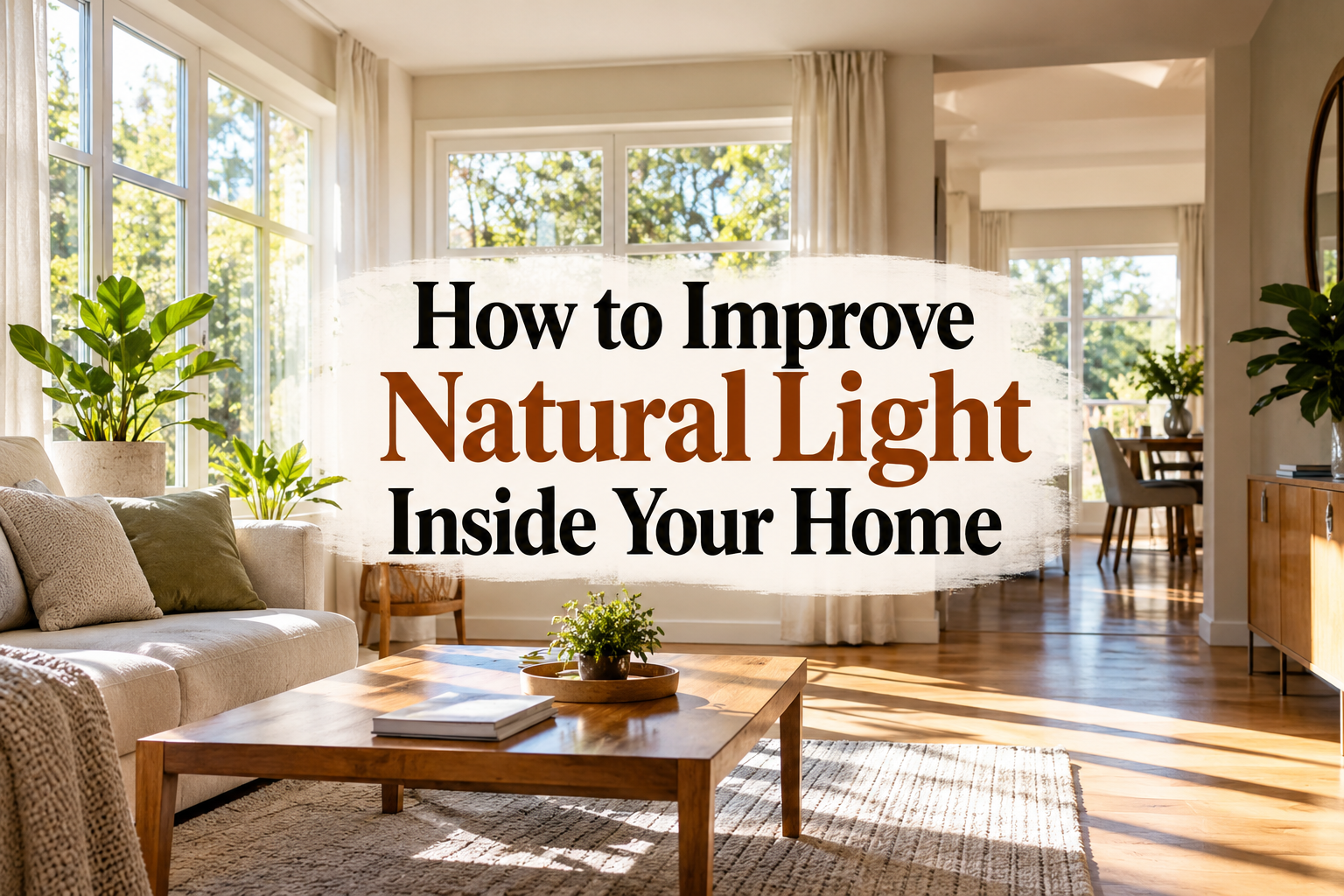
Natural light can completely transform a small room.
A dark room may feel smaller than it really is, while a bright room often feels more spacious and inviting. For this reason, windows should be treated as valuable design features rather than areas that need to be heavily covered.
Avoid placing large furniture directly in front of windows whenever possible.
Heavy curtains can also block a surprising amount of daylight. Lighter curtains or simple window coverings can help maintain privacy while allowing more natural light to enter.
Keep windows clean as well. It may seem like a small detail, but clean glass allows more light into the room and makes the entire area feel fresher.
If privacy is not a major concern, keeping curtains open during the daytime can make an immediate difference.
Use Mirrors to Create Visual Depth
Mirrors are one of the oldest and most effective tricks for making small rooms appear larger.
A mirror reflects both light and the surrounding room. This reflection creates the impression that the space continues beyond the actual wall.
A large mirror can work especially well in a small living room or bedroom. Instead of using several tiny mirrors, one larger piece can create a stronger feeling of depth.
Positioning a mirror near or opposite a window can also help spread natural light around the room.
The frame should suit the overall design without appearing too heavy. Simple frames often work particularly well in compact spaces because they do not add unnecessary visual weight.
Select Furniture That Fits the Room
Furniture size matters greatly in small room design.
A common mistake is choosing furniture simply because it looks attractive in a showroom. The same sofa, bed, chair, or cabinet may feel much larger once it is placed inside a small room.
Before buying furniture, measure the available area carefully.
Think about how much walking space will remain once the furniture is installed. A room should allow you to move comfortably without constantly walking around obstacles.
Smaller rooms usually benefit from furniture with cleaner shapes and moderate proportions.
However, this does not mean every piece of furniture has to be tiny. Too many small pieces can sometimes make a room feel even more crowded. A few carefully chosen pieces are often better than many separate items.
Try Multipurpose Furniture
Furniture that performs more than one job can be extremely useful when space is limited.
For example, an ottoman with hidden storage can serve as seating, a footrest, and a place for storing blankets. A sofa bed can provide seating during the day and sleeping space when needed.
A dining table with storage drawers can hold useful household items. A bed with built in storage underneath can reduce the need for additional cabinets.
Think about what each piece of furniture contributes to the room.
If one item can replace two separate pieces, you may be able to free valuable floor space.
This is especially helpful in studio apartments, small bedrooms, and compact family homes.
Keep More of the Floor Visible
The amount of visible floor has a surprisingly strong effect on how large a room feels.
Furniture that sits directly on the floor can sometimes appear heavy. Furniture with visible legs allows you to see more of the floor underneath.
This creates a sense of openness.
For example, a sofa with slim legs may feel lighter than a sofa with a solid base. The same idea applies to chairs, tables, cabinets, and television stands.
You do not need every piece of furniture to have raised legs, but including a few visually lighter pieces can make a small room feel less crowded.
Use Vertical Space
When floor space is limited, look upward.
Walls often provide valuable storage opportunities that are overlooked.
Tall bookshelves, wall mounted shelves, hanging storage, and high cabinets can help you use vertical space without taking up too much additional floor area.
A tall bookshelf also draws the eye upward, which can make the ceiling appear higher.
However, vertical storage should still be organized carefully. Filling every wall with shelves may create another form of visual clutter.
Leave some areas open so the walls can still provide a sense of breathing space.
Avoid Blocking Natural Pathways
Furniture placement can influence whether a room feels open or cramped.
Every room naturally has pathways where people walk. These paths may lead from the entrance to a sofa, bed, window, desk, or another doorway.
Large objects should not interrupt these routes unnecessarily.
When furniture blocks movement, the room feels crowded because people constantly have to move around things.
Try to arrange the furniture so that the main walking paths remain clear.
Sometimes moving a chair, table, or cabinet only a short distance can noticeably improve the flow of the room.
Choose Curtains Carefully
Curtains can influence how tall and wide a room appears.
One useful technique is hanging curtains higher than the actual window frame. Positioning the curtain rod closer to the ceiling can visually increase the height of the wall.
Long curtains that reach close to the floor can also create a more elegant vertical line.
Lightweight fabrics usually work well in smaller rooms because they allow natural light to enter.
If you prefer patterned curtains, consider choosing subtle designs rather than extremely busy patterns. Large amounts of visual detail can sometimes make a small room feel crowded.
Create Hidden Storage
Good storage is essential in a small home.
The challenge is not simply finding somewhere to put belongings. It is finding storage solutions that keep the room looking clean.
Hidden storage can be especially useful.
Storage boxes under the bed can hold seasonal clothing, spare bedding, or shoes. Baskets inside cabinets can organize smaller belongings. Storage benches can hide items while providing seating.
The area under staircases can sometimes be converted into cabinets or shelves.
Unused corners may also provide space for narrow storage units.
When everyday items have a specific place, keeping the room tidy becomes much easier.
Keep Shelves Organized
Open shelves can be attractive, but they need some discipline in small rooms.
When every shelf is completely filled, the wall can begin to look busy.
Try leaving a little empty space between objects. Arrange books neatly and group similar items together.
Decorative items should be chosen carefully rather than displayed simply because there is an empty shelf.
A small number of meaningful objects often looks more stylish than a large collection of unrelated decorations.
You can also use matching storage baskets or boxes on shelves to hide smaller items that might otherwise create clutter.
Use Rugs to Define Space Carefully
Rugs can help organize a room visually.
In an open living area, a rug can define a sitting zone without building physical walls. This is particularly useful in small apartments where one room may serve several purposes.
However, choosing a rug that is too small can sometimes make the room feel divided and restricted.
A reasonably sized rug that connects the main furniture pieces often creates a more unified appearance.
The design does not need to be completely plain, but simple patterns usually help maintain visual calm.
Limit Excessive Decoration
Decorative objects give a home character, but too many can make a small room feel crowded.
Instead of filling every wall, shelf, and table with decoration, choose a few pieces that have a stronger visual impact.
For example, one attractive piece of wall art may work better than many small frames placed close together.
A beautiful lamp, plant, vase, or framed photograph can become a focal point without overwhelming the room.
This approach also makes individual decorative pieces easier to appreciate.
Bring in Plants Without Overcrowding
Plants can make a small room feel fresh and comfortable.
They add natural texture and life to the interior, but their size and placement matter.
Large floor plants may consume valuable space. In smaller rooms, consider using compact plants on shelves, hanging planters, or narrow plant stands.
You can also place plants near windows where they receive natural light without interfering with movement.
A few healthy plants usually make a stronger impression than many plants crowded together.
Use Consistent Materials and Colors
Visual consistency can make a small room feel more organized.
If every piece of furniture has a completely different style, material, and color, the room may appear fragmented.
You do not need to buy a matching furniture set. Instead, look for some connection between different elements.
For example, furniture may share similar wood tones. Decorative accessories may repeat a few colors. Metal details might have similar finishes.
These subtle connections help different elements feel like parts of one complete design.
When the room feels visually connected, it often feels larger as well.
Improve Artificial Lighting
Natural light is important, but artificial lighting matters too.
Depending on a single ceiling light can create dark corners, especially in the evening. Dark areas may visually reduce the size of the room.
Try combining several types of lighting.
A ceiling fixture can provide general illumination. A table lamp may create comfortable reading light. A floor lamp can brighten a darker corner.
Wall mounted lights can be particularly useful in small rooms because they provide illumination without taking up table or floor space.
Good lighting makes the entire room easier to see, helping it feel more open.
Keep Doors and Walkways Clear
Doors require space to open and close.
If furniture is placed too close to a doorway, the entrance can feel narrow and uncomfortable. The same applies to wardrobes and cabinets.
Whenever possible, give doors enough space to move freely.
Sliding doors can sometimes be useful in extremely compact areas because they do not require the same opening space as traditional doors.
Even without changing the doors, simply keeping entrances free from clutter can improve the overall feeling of space.
Create One Clear Focal Point
Every room benefits from having something that naturally attracts attention.
It might be a window, a piece of artwork, a sofa, a fireplace, or a nicely arranged bed.
A clear focal point gives the room visual structure.
Without one, several objects may compete for attention, making a small space feel chaotic.
Try identifying the strongest feature in the room and arranging other elements around it. This creates a more organized appearance and helps the eye understand the space quickly.
Do Not Feel the Need to Fill Every Corner
Empty space is not wasted space.
This is one of the most useful lessons when decorating a small room.
Many people see an empty corner and immediately think about adding a table, cabinet, chair, or decorative object. Eventually, almost every available area becomes occupied.
Leaving some spaces empty allows the room to breathe.
An open corner or clear section of wall can provide visual relief and make the rest of the furniture feel more intentional.
Final Thoughts
Learning how to make small rooms feel more spacious is mostly about making thoughtful choices rather than spending large amounts of money.
Start with the simplest changes. Remove unnecessary clutter, improve the lighting, keep windows open to natural light, and reconsider your furniture placement. These changes alone may completely alter the atmosphere of the room.
After that, think about storage, color, mirrors, vertical space, and multipurpose furniture. Every improvement should have a clear purpose.
Most importantly, avoid trying to fit too much into a limited area. A smaller number of useful and attractive items will usually create a better result than filling every available space.
A small room can still feel comfortable, stylish, practical, and welcoming. With careful planning and good organization, even a compact space can feel much more open than its measurements suggest.