
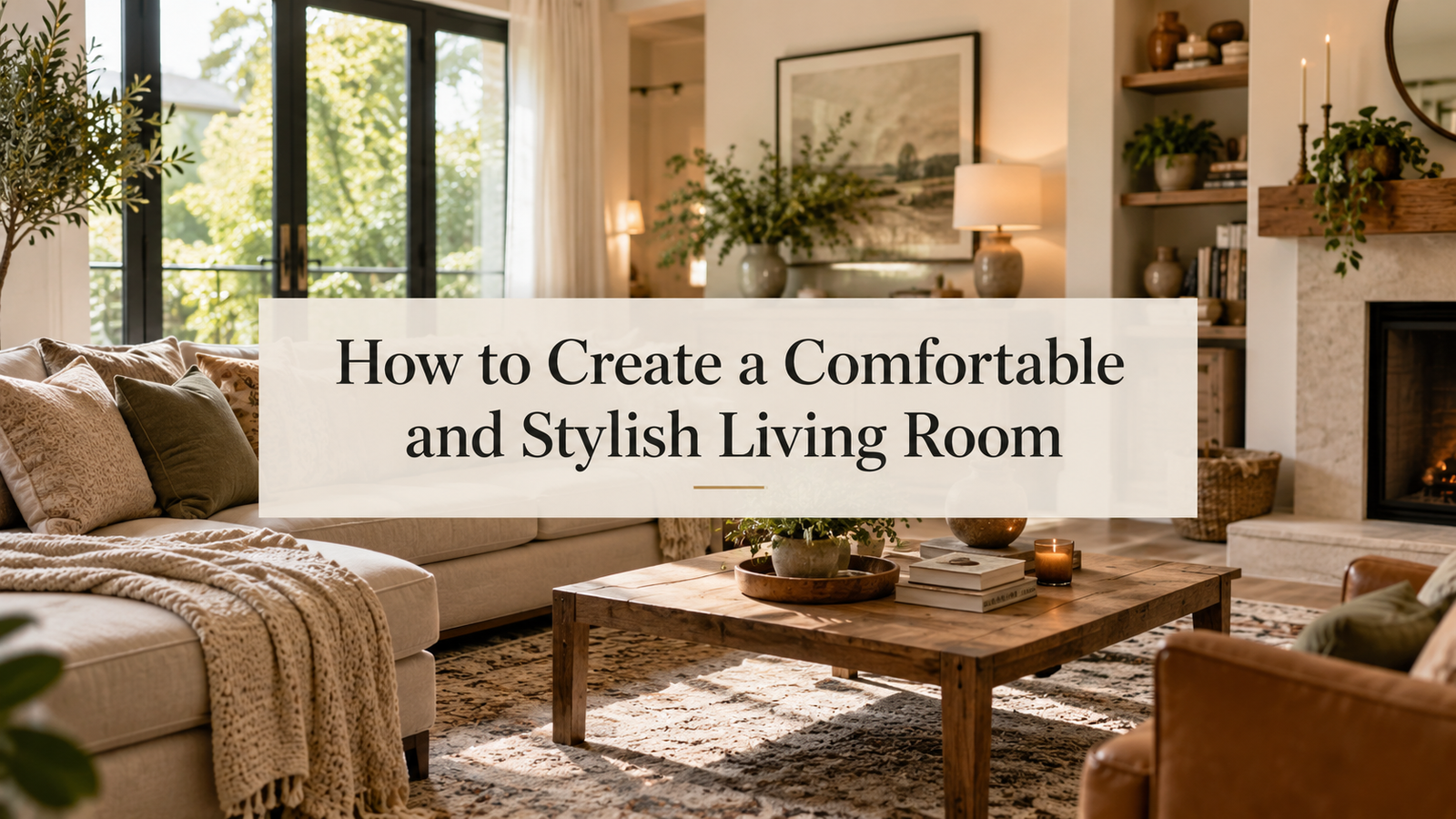
The living room is one of the most important spaces in any home. It is where families gather, guests are welcomed, conversations happen, and quiet moments are enjoyed after a busy day. Because this room serves so many purposes, it should feel comfortable while also looking attractive. Creating a comfortable and stylish living room does not require expensive furniture or a complete renovation. Good planning, thoughtful choices, and attention to small details can completely change the feeling of the space.
A beautiful living room should not only look impressive in photographs. It should also feel inviting when you actually use it. Furniture should be comfortable, lighting should be pleasant, colors should create the right mood, and every item should have a reason for being there. When comfort and style work together, the living room becomes a place people naturally enjoy spending time in.
Start With the Purpose of Your Living Room
Before choosing furniture or changing colors, think about how you normally use your living room. Every household has different needs. Some families use the living room mainly for watching television, while others use it for entertaining guests, reading, relaxing, or spending time with children.
Understanding the purpose of the room helps you make better decorating decisions.
For example, if your family often watches movies together, comfortable seating and a practical television position should be priorities. If you regularly welcome visitors, you may want seating arranged in a way that encourages conversation. A person who enjoys reading might create a small reading corner with a comfortable chair and a lamp.
The most stylish room is not always the one with the most expensive furniture. It is the room that works naturally for the people living in the home.
Choose a Comfortable Seating Arrangement
Comfortable seating is the foundation of a welcoming living room. A sofa is usually the largest piece of furniture in the space, so choosing the right one can make a major difference.
Before buying a sofa, consider the size of your room. A very large sofa in a small room can make the space feel crowded. On the other hand, a tiny sofa in a large living room may make the room feel empty.
Comfort should come before appearance when selecting seating. Sit on a sofa before buying it whenever possible. Check whether the seat depth feels comfortable and whether the cushions provide enough support.
You can also combine different seating options. A sofa, two chairs, and a small bench can create a flexible arrangement.
Avoid placing every piece of furniture directly against the walls unless the room is extremely small. Bringing furniture slightly closer together can create a warmer and more conversational atmosphere.
Select a Balanced Color Palette
Color has a powerful effect on the mood of a living room. The right color palette can make a room feel calm, bright, elegant, warm, or energetic.
Neutral colors are popular because they provide a flexible foundation. Shades such as cream, beige, soft gray, warm white, and light brown can make a living room feel peaceful and timeless.
However, a neutral living room does not have to look boring. You can introduce personality through cushions, curtains, artwork, rugs, and decorative accessories.
For example, a cream sofa can look completely different when combined with green cushions, wooden furniture, and natural plants. The same sofa can create a more elegant atmosphere when paired with navy blue cushions and metallic accessories.
Try to choose a small group of colors rather than using too many unrelated shades. A simple and balanced palette usually creates a more stylish result.
Use Lighting to Create a Warm Atmosphere
Lighting is often underestimated when decorating a living room. Even beautifully chosen furniture can look dull under poor lighting.
Natural light should be used whenever possible. Keep windows clear and avoid using extremely heavy curtains if they block most of the daylight. Light curtains can provide privacy while still allowing sunlight into the room.
During the evening, one ceiling light may not be enough to create a comfortable atmosphere. Different sources of light can make the room feel much warmer.
Table lamps are useful beside sofas or reading chairs. Floor lamps can brighten darker corners. Wall lights can add gentle background lighting.
Warm lighting usually works particularly well in living rooms because it creates a relaxing environment.
The placement of lighting is just as important as the fixtures themselves. Instead of trying to make every corner equally bright, create different areas of soft light throughout the space.
Add a Rug for Comfort and Definition
A rug can instantly make a living room feel warmer and more complete. It provides softness underfoot while visually connecting furniture together.
Choosing the right rug size is important. One common decorating mistake is using a rug that is too small for the seating area. Ideally, the rug should be large enough for at least the front legs of the main furniture pieces to sit on it.
The color and pattern of the rug should work with the rest of the room.
If your sofa and walls are simple, a patterned rug can introduce character. If the room already contains many patterns and colors, a plain rug may provide better balance.
Consider practical needs as well. Homes with children or pets may benefit from rugs that are easier to clean and maintain.
Bring Texture Into the Room
Texture is one of the easiest ways to make a living room feel comfortable and professionally designed.
A room that uses only smooth surfaces can sometimes feel cold, even when the colors are attractive. Adding different materials creates visual depth.
Soft cushions, woven rugs, wooden furniture, fabric curtains, ceramic decorations, and comfortable throws can all contribute different textures.
You do not need to use every material available. The goal is simply to create variety.
For example, a fabric sofa can be paired with wooden side tables, soft cushions, a wool rug, and a ceramic lamp. These different surfaces create a layered appearance without making the room feel complicated.

Decorate With Cushions and Throws
Cushions are affordable accessories that can quickly refresh the appearance of a living room.
Rather than using many identical cushions, consider mixing different sizes and textures while keeping the colors connected. This creates a relaxed but carefully designed appearance.
Throws are also useful. Draping a soft throw over the side of a sofa or chair adds comfort and makes the room feel more inviting.
Seasonal changes can be made easily through these accessories. Lighter fabrics can be used during warmer months, while thicker and softer materials can make the living room feel warmer during cooler seasons.
Introduce Natural Elements
Nature can make indoor spaces feel calmer and more welcoming.
Houseplants are one of the simplest ways to bring natural beauty into a living room. They add color, texture, and life to the space.
Large plants can fill empty corners, while smaller plants work well on shelves, side tables, or window areas.
If maintaining plants is difficult, you can introduce nature through other materials. Wooden furniture, stone accessories, woven baskets, cotton fabrics, and natural colors can create a similar feeling.
Natural materials also have the advantage of remaining stylish for many years because they are less dependent on temporary decorating trends.
Choose a Practical Coffee Table
A coffee table can become the center of the seating area, so both size and style matter.
The table should be easy to reach from the surrounding seats without making movement around the room difficult.
In smaller living rooms, tables with storage can be especially useful. Some designs include drawers, shelves, or hidden compartments where remote controls, magazines, and other small objects can be stored.
Avoid covering the entire table with decorations. A few thoughtfully chosen items often look better than a crowded collection.
You might use a small tray, a plant, a candle, or a few books to create a simple arrangement.
Create a Focal Point
Most well designed living rooms have a focal point that naturally attracts attention.
A focal point might be a fireplace, a large piece of artwork, a beautiful window, a television wall, or a decorative feature.
Furniture can then be arranged around this main element.
If your living room does not have an obvious focal point, you can easily create one. A large framed artwork above the sofa can work well. A feature wall with a different paint color can also attract attention.
The purpose of a focal point is to give the room visual direction rather than allowing every decorative element to compete for attention.
Keep the Space Organized
Comfort is difficult to achieve when a living room feels cluttered.
Storage plays an important role in maintaining a stylish environment. Everyday objects such as remote controls, chargers, toys, magazines, and cables can quickly create visual mess.
Use baskets, cabinets, drawers, shelves, and storage furniture to keep frequently used items organized.
Try to leave some surfaces partially empty. Every table and shelf does not need to be completely filled.
Empty space allows important decorative objects to stand out and makes the room easier to clean.
An organized living room often feels larger and calmer without requiring any physical changes to the size of the room.
Personalize the Living Room
A stylish living room should reflect the people who live in the home.
Rooms copied completely from furniture catalogues can sometimes feel beautiful but impersonal. Personal items give the room character.
Family photographs, travel memories, favorite books, artwork, handmade objects, or meaningful decorations can make your living room unique.
The key is moderation.
Instead of displaying every personal item you own, choose a few pieces that have special meaning. They will attract more attention when they are not surrounded by excessive decoration.
Pay Attention to Curtains
Curtains influence both comfort and style.
They provide privacy, control sunlight, and soften the appearance of windows.
Choosing curtains that reach close to the floor can make windows appear taller and create a more elegant look. Hanging the curtain rod slightly above the window can also make the room feel more spacious.
Curtain colors should complement the walls and furniture.
Neutral curtains are flexible and timeless, while stronger colors can become part of the room’s decorative theme.
Fabric weight should depend on your needs. Light fabrics allow more daylight, while thicker curtains can provide additional privacy and help create a cozy atmosphere.
Avoid Overdecorating
One of the easiest ways to reduce the elegance of a living room is to add too many decorative objects.
When every wall, table, shelf, and corner contains decorations, the room can begin to feel busy rather than stylish.
Choose accessories carefully and leave enough visual space between them.
A few larger decorative pieces often create more impact than many tiny objects scattered throughout the room.
You can also rotate decorations occasionally instead of displaying everything at once. This keeps the room feeling fresh without requiring new purchases.
Make Comfort the Final Priority
Style is important, but a living room should always be comfortable enough for everyday life.
Think about how the room feels when you sit down. Can you easily place a drink nearby? Is the lighting comfortable for reading? Can people move between furniture without difficulty? Are blankets available when the room feels cool?
Small practical details can have a greater effect on comfort than expensive decorations.
The best living rooms are spaces where people feel relaxed enough to stay for hours.
Final Thoughts
Learning how to create a comfortable and stylish living room is mainly about finding the right balance between appearance and everyday usefulness. You do not need to follow every design trend or replace all your existing furniture.
Start by understanding how you use the room. Choose comfortable seating, create a balanced color palette, improve the lighting, introduce soft textures, and keep unnecessary clutter under control. Add natural materials, personal decorations, and practical storage to make the room feel both attractive and welcoming.
Most importantly, allow your living room to reflect your own lifestyle. A beautiful room should not feel like a space that is too perfect to use. It should invite you to sit down, relax, talk with family, enjoy a cup of tea, read a book, or simply spend a peaceful evening at home.
When comfort, function, and personal style are combined thoughtfully, even a simple living room can become one of the most enjoyable spaces in the entire home.


