Gardening can be one of the most enjoyable and rewarding activities at home. Watching a small seed grow into a healthy plant gives a special kind of satisfaction. A beautiful garden can also make your home feel peaceful, fresh, and connected to nature. However, gardening is not always as simple as planting a seed, adding water, and waiting for flowers or vegetables to appear.
Most new gardeners make a few mistakes when they first start. This is completely normal because gardening is a skill that improves with observation and experience. The problem begins when the same mistakes are repeated without understanding what the plants actually need.
Learning about common gardening mistakes beginners should avoid can save time, money, and effort. It can also help plants grow stronger and reduce the frustration that often comes when a garden does not perform as expected.
Starting Without Understanding the Growing Area
One of the first gardening mistakes beginners make is planting without studying the area where the garden will be located. Every part of a yard, balcony, or patio can have different growing conditions.
Some areas may receive direct sunlight for most of the day, while others stay shaded. Certain places may also hold water longer after rain. Wind exposure can also make a difference, especially for young and delicate plants.
Before planting anything, spend a few days observing the area. Notice how sunlight moves throughout the day. Check whether water collects in certain spots after rain. Consider whether the area is protected from strong winds.
Understanding the growing space makes it much easier to choose suitable plants.
Choosing Plants Without Considering the Climate
It is easy to become attracted to beautiful plants seen in photographs, garden centers, or seed catalogs. However, not every plant grows well in every climate.
A plant that loves cool weather may struggle during long periods of heat. A tropical plant may suffer when temperatures become too low. Beginners sometimes choose plants based only on appearance and later wonder why they fail to grow.
Before buying seeds or plants, learn about their preferred temperatures and growing seasons. Selecting plants that naturally suit your local climate usually makes gardening much easier.
Healthy gardening often begins with choosing the right plant rather than trying to force the wrong plant to survive.
Planting Too Much at the Beginning
Starting a new garden can be exciting, and this excitement sometimes encourages beginners to plant too many things at once.
A large garden requires regular watering, weeding, pruning, feeding, and monitoring. When dozens of plants need attention at the same time, gardening can quickly become difficult to manage.
A better approach is to start small.
Choose a manageable number of plants and learn how they grow. Once you become comfortable caring for them, you can gradually expand the garden.
A smaller healthy garden is usually more enjoyable than a large garden that becomes overwhelming.
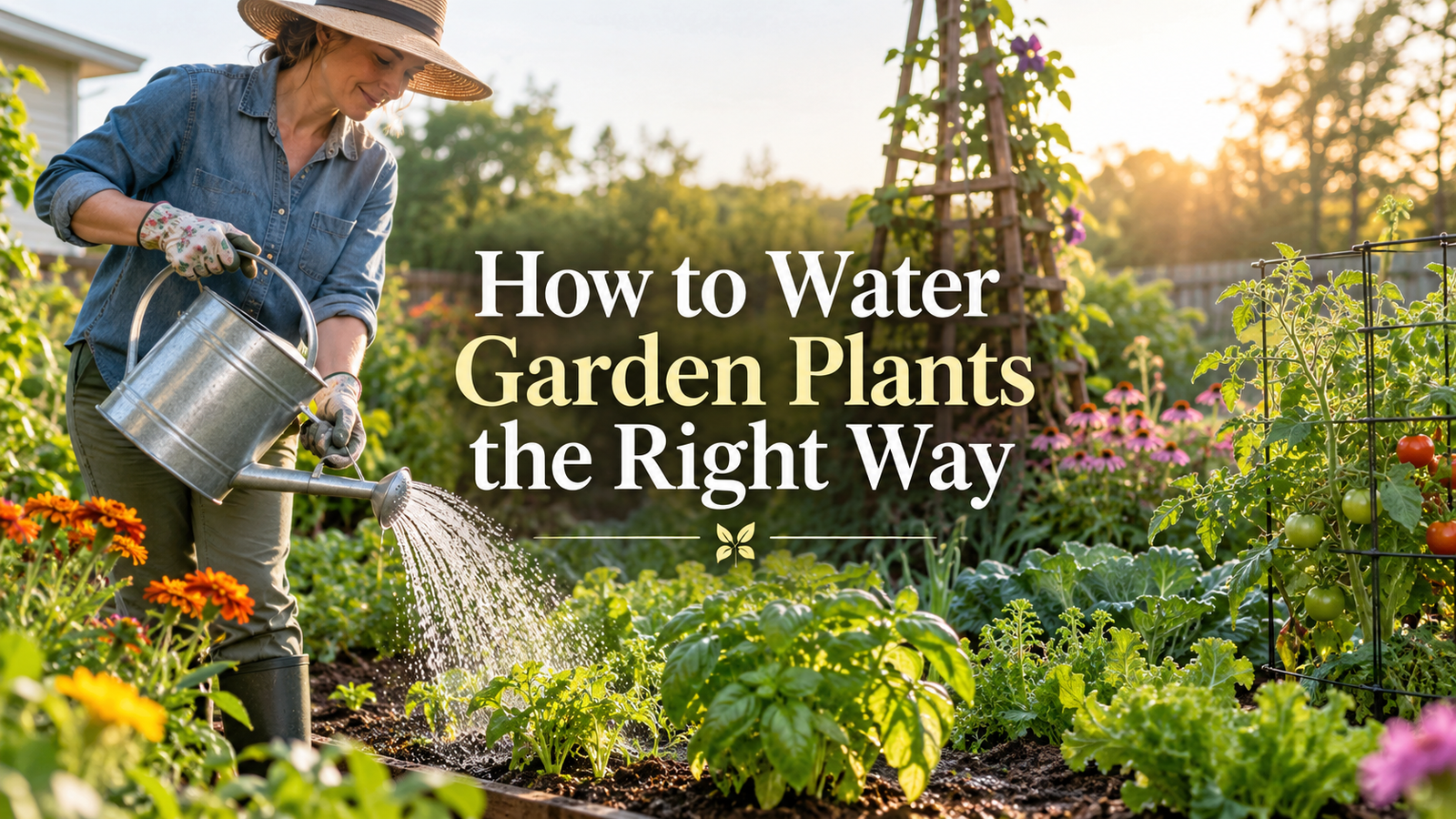
Watering Plants Too Often
Overwatering is one of the most common gardening mistakes beginners should avoid.
Many new gardeners believe that giving plants more water will help them grow faster. In reality, excessive moisture can reduce the amount of oxygen available around plant roots. Constantly wet soil can also encourage root problems and fungal growth.
Different plants require different amounts of water.
Instead of watering according to a strict habit, check the soil first. In many cases, the upper layer of soil should begin to dry before more water is added.
Deep watering is often better than repeatedly adding small amounts of water because it encourages roots to grow deeper into the soil.
Not Giving Plants Enough Water
While overwatering is common, underwatering can be equally harmful.
Young plants, seedlings, vegetables, and container plants may need careful monitoring during warm weather. Soil in containers can dry much faster than soil in the ground.
A plant that repeatedly becomes extremely dry may develop weak growth, wilted leaves, or fewer flowers.
The goal is not to keep the soil permanently wet. Instead, gardeners should aim for balanced moisture based on the needs of each plant.
Checking the soil regularly is more reliable than guessing.
Ignoring Soil Quality
Beginners often focus heavily on the plant while forgetting about the soil supporting it.
Healthy soil provides roots with water, nutrients, air, and physical support. Poor soil may be heavily compacted, drain too slowly, or contain very little organic matter.
Before planting, examine the soil.
Adding well decomposed compost can improve many garden soils by increasing organic matter and supporting soil structure. Good soil should generally allow water to drain while still holding enough moisture for plant roots.
Improving the soil before planting can prevent many problems later.
Using Too Much Fertilizer
Fertilizer can support plant growth, but more fertilizer does not automatically create healthier plants.
Applying excessive fertilizer can damage roots and lead to weak or unbalanced growth. Some plants may produce many leaves but fewer flowers or fruits when they receive too much of certain nutrients.
Beginners should always follow the recommended amount when using packaged fertilizer.
It is also important to understand that fertilizers are not a replacement for healthy soil. Compost, organic matter, proper watering, and suitable growing conditions are all important parts of plant health.
Feed plants because they need nutrients, not simply because fertilizer is available.
Planting Too Close Together
Young plants often look very small, which can make beginners place them close together.
The problem appears several weeks or months later when those plants become much larger.
Crowded plants compete for sunlight, water, and nutrients. Limited airflow can also create humid conditions around leaves, making some plant diseases more likely.
Always consider the mature size of a plant before deciding where to place it.
Seed packets and plant labels usually provide useful spacing information. Leaving proper space may make a new garden look slightly empty at first, but it allows plants to develop properly over time.
Planting at the Wrong Depth
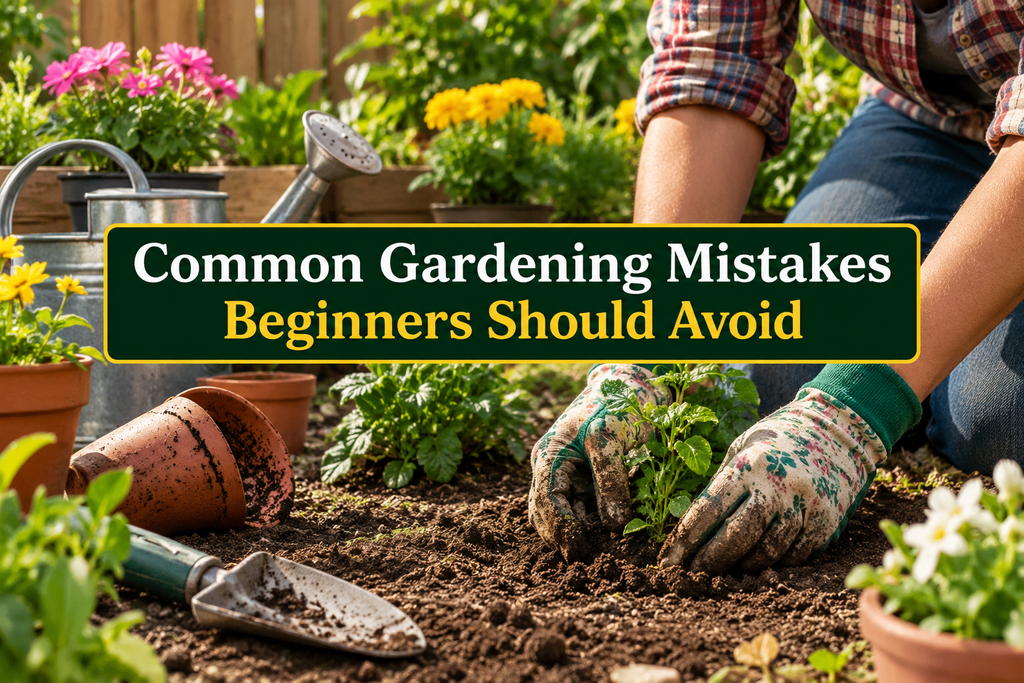
Planting depth is another detail that can have a major effect on success.
Some seeds need only a thin covering of soil. Others need to be planted deeper. Certain very small seeds may need light to germinate properly.
Transplants can also suffer when planted incorrectly.
Before planting seeds, read the instructions on the packet. When transplanting young plants, learn whether the variety should remain at the same soil level as it was in its original container.
Correct planting depth gives roots and seedlings a better start.
Ignoring Sunlight Requirements
Sunlight is one of the basic needs of plants, but different plants require different amounts.
Vegetables such as tomatoes and peppers usually perform best with plenty of direct sunlight. Other plants may prefer partial shade, particularly in hot climates.
Placing a sun loving plant in a dark corner often results in weak and stretched growth. Putting a shade loving plant under intense afternoon sun may cause leaf damage.
Study the light conditions in your garden and choose plants accordingly.
Matching plants with the correct light level is one of the simplest ways to improve gardening results.
Forgetting to Control Weeds Early
A few small weeds may not look serious, but they can grow and spread surprisingly quickly.
Weeds compete with garden plants for water, nutrients, space, and sunlight. Some also produce large numbers of seeds, creating a bigger problem in the future.
Remove weeds while they are still young and easy to pull.
Adding organic mulch around suitable plants can also reduce weed growth while helping the soil hold moisture. Mulch should be kept away from direct contact with plant stems to avoid excess moisture around them.
Regular attention is usually easier than dealing with a garden full of mature weeds later.
Ignoring Early Signs of Pests
Small pest problems can sometimes become large problems if they are not noticed early.
Beginners may only inspect their plants when something looks seriously wrong. By that stage, insects may already have caused significant damage.
Make it a habit to look closely at leaves, stems, buds, and the undersides of foliage. Watch for holes, discoloration, unusual spots, sticky surfaces, or visible insects.
Not every insect in the garden is harmful. Some insects are beneficial and may even help control unwanted pests.
Correct identification should come before treatment. Avoid applying products simply because an insect is present.
Removing Beneficial Insects
A healthy garden contains many forms of life.
Bees and other pollinators help flowering plants reproduce. Lady beetles and certain other beneficial insects may feed on garden pests. Earthworms can also contribute to healthy soil conditions.
Trying to eliminate every insect can disturb the natural balance of a garden.
Beginners should learn to distinguish between harmful pests and helpful garden visitors.
Creating a diverse garden with flowers and healthy soil can support beneficial organisms naturally.
Pruning Without Knowing the Plant
Pruning can improve plant shape, remove damaged growth, and encourage healthy development. However, incorrect pruning can reduce flowering or weaken a plant.
Different plants respond differently to pruning. Some flower on new growth, while others form flowers on older stems.
Do not cut plants simply because they appear untidy.
Learn the proper pruning method and season for each plant first. Always use clean, sharp tools because rough cuts can damage stems.
Pruning should have a clear purpose.
Ignoring Drainage
Good drainage is essential for most garden plants.
Water that remains around roots for long periods can create serious growing problems. Heavy soil and containers without drainage holes are common causes of excess moisture.
Before planting in containers, make sure water can escape freely from the bottom.
For garden beds, observe what happens after heavy rain. If water remains for long periods, soil structure or planting location may need improvement.
Proper drainage allows roots to receive both moisture and oxygen.
Expecting Immediate Results
Gardening teaches patience.
Beginners sometimes become disappointed when seeds do not germinate within a few days or when a small plant does not immediately become large and full.
Every plant grows at its own pace. Temperature, moisture, sunlight, soil conditions, and the natural growth cycle all affect development.
Some plants show noticeable growth quickly. Others may take months before they become established.
Instead of constantly changing the care routine, give plants reasonable time to respond.
Observing gradual progress is part of the gardening experience.
Forgetting About Seasonal Changes
A garden changes throughout the year.
Plants that grow well during spring may struggle in extreme summer heat. Cool season vegetables may perform better during autumn or winter depending on the local climate.
Beginners sometimes continue using the same watering and care routine throughout the year.
Garden care should change with weather conditions.
During hot periods, soil may dry faster. During cooler or rainy periods, plants may require less frequent watering. Some plants become dormant during certain seasons and naturally grow more slowly.
Working with seasonal changes makes gardening more efficient.
Moving Plants Too Frequently
When a plant looks unhappy, beginners may immediately move it to another location.
Sometimes this helps, but frequent relocation can create additional stress. Plants often need time to adjust after being transplanted.
Before moving a plant, identify the likely cause of the problem.
Check soil moisture, sunlight, drainage, temperature, and pest activity. Once you understand what may be wrong, you can make a better decision.
Changing several conditions at once also makes it difficult to know which change actually helped.
Not Keeping Simple Garden Records
Garden notes can be extremely useful, especially for beginners.
You do not need a complicated system. A small notebook is enough.
Write down what you planted, when you planted it, where it was placed, and how well it grew. You can also record watering habits, pest problems, flowering dates, and harvest results.
These notes become more valuable over time.
Next season, instead of starting completely from memory, you can look back at what worked well and what should be changed.
Gardening experience grows much faster when observations are recorded.
Copying Another Garden Without Considering Your Conditions
Garden inspiration is useful, but every growing space is different.
A plant that performs beautifully in someone else’s garden may not behave the same way in yours. Differences in sunlight, rainfall, temperature, soil, and maintenance can completely change the results.
Use other gardens for ideas rather than treating them as exact instructions.
Observe your own growing conditions and adjust your approach based on what your plants are showing you.
Successful gardeners learn from both information and experience.
Giving Up After a Plant Fails
Every gardener eventually loses a plant.
Seeds sometimes fail to germinate. Young plants can be damaged by weather. A variety may simply be poorly suited to a particular location.
Plant failure does not mean that you are bad at gardening.
Instead, think about what may have happened. Was the soil too wet? Was the area too shady? Did the plant struggle during extreme temperatures?
Every unsuccessful plant can teach something useful.
The best gardeners are not people who never experience problems. They are people who keep observing, learning, and improving.
Final Thoughts
Understanding the common gardening mistakes beginners should avoid can make the first gardening experience much more enjoyable. Most gardening problems come from simple issues such as too much water, poor plant selection, incorrect spacing, unsuitable sunlight, weak soil, or unrealistic expectations.
A successful garden does not need to be perfect.
Start with a small number of plants, understand your growing space, improve the soil, water carefully, and observe your plants regularly. Learn what grows well in your local climate and make small improvements with each season.
Plants often communicate their needs through their growth, leaves, flowers, and overall appearance. The more time you spend observing them, the easier gardening becomes.
With patience and consistent care, beginner mistakes gradually turn into useful experience. Over time, the garden becomes healthier, gardening becomes easier, and you develop the confidence to grow a wider variety of plants successfully.