Healthy soil is the foundation of every successful garden. Whether you are growing vegetables, flowers, herbs, fruit plants, or ornamental shrubs, the condition of your soil has a direct effect on how well your plants grow. Good soil gives roots access to water, air, minerals, and beneficial organisms. Poor soil can make even strong plants struggle.
One of the best things I have learned about gardening is that soil quality does not always need expensive fertilizers or complicated treatments. Nature already provides many simple ways to improve soil quality naturally. With patience and regular care, even tired, compacted, or low fertility soil can become rich and productive.
Natural soil improvement is also a practical choice for home gardeners. Instead of depending completely on chemical products, you can use organic materials that gradually improve soil structure and fertility. This approach helps create a healthier growing environment while making long term garden care easier.
Understand the Condition of Your Soil
Before trying to improve garden soil, it helps to understand what type of soil you have. Soil can be sandy, clay based, silty, or a mixture of different textures.
Sandy soil usually drains quickly but may struggle to hold water and nutrients. Clay soil can contain plenty of nutrients but often becomes heavy and compacted. Good garden soil generally contains a balanced mixture of mineral particles, organic matter, moisture, air, and living organisms.
You can learn a lot simply by observing your garden. Pick up a handful of slightly moist soil and gently squeeze it. If it immediately falls apart, it may contain a high amount of sand. If it becomes a dense sticky lump, there may be more clay present.
Plant growth also provides useful clues. Weak growth, yellow leaves, poor drainage, hard ground, and soil that dries very quickly can all suggest that some improvement is needed.
Understanding these basic conditions allows you to choose natural methods that suit your garden instead of adding unnecessary products.
Add Compost Regularly
Compost is one of the most useful materials for improving soil quality naturally. It contains decomposed organic materials such as leaves, grass, plant remains, vegetable scraps, and other biodegradable garden materials.
When compost is added to soil, it improves both fertility and structure. Sandy soil becomes better at holding moisture, while heavy soil becomes easier for roots to grow through.
Compost also provides nutrients gradually. Unlike some fast acting fertilizers, compost improves the overall condition of the soil instead of only feeding plants for a short period.
You do not always need a large amount. Adding a thin layer of mature compost to garden beds once or twice a year can create noticeable improvements over time.
I prefer to think of compost as food for the entire soil system. It supports plants, earthworms, microorganisms, and the natural processes that keep garden soil productive.
Use Fallen Leaves Instead of Throwing Them Away
Fallen leaves are one of the easiest free materials available for improving garden soil. In nature, leaves fall to the ground, slowly break down, and return organic matter to the soil.
You can use the same process in your home garden.
Dry leaves can be collected and added to compost, spread around plants, or allowed to decompose separately to create leaf mold. Shredded leaves usually break down faster than whole leaves.
Leaf mold is especially useful for improving soil texture and water retention. It may not provide large amounts of nutrients, but it helps create soft, moisture retaining soil.
Instead of treating fallen leaves as garden waste, consider them a natural resource. They can become valuable organic material with very little effort.
Apply Organic Mulch
Mulching is another simple way to improve soil naturally. Organic mulch is placed on the soil surface around plants and gradually decomposes.
Common natural mulch materials include straw, dry leaves, grass clippings, bark, wood chips, and compost.
Mulch offers several benefits at the same time. It protects soil from direct sunlight, reduces moisture loss, limits weed growth, and helps prevent soil erosion.
As organic mulch slowly breaks down, it adds organic matter to the upper soil layer. Earthworms and other organisms help move some of this material deeper into the ground.
A layer of mulch also reduces the damage caused by heavy rain. Instead of rain hitting bare soil directly and creating a hard surface, the mulch softens the impact.
Always leave a little space around plant stems and tree trunks. Piling wet organic material directly against stems can encourage excess moisture and plant problems.
Grow Green Manure Crops
Green manure crops are plants grown mainly to improve soil rather than for harvesting. They are often called cover crops because they cover bare soil and protect it between planting seasons.
Different plants can be used depending on climate and garden conditions. Clover, peas, beans, oats, and other suitable crops are common choices.
Some plants in the legume family can work with soil bacteria to increase available nitrogen. Other cover crops produce large amounts of roots and plant material that add organic matter when they decompose.
Cover crops also protect exposed soil from wind and rain. Their roots help hold soil in place while improving structure below the surface.
For home gardeners, even a small unused vegetable bed can benefit from a temporary cover crop instead of remaining bare for several months.

Avoid Excessive Digging
Gardeners have traditionally been encouraged to dig soil deeply and frequently. However, excessive disturbance can damage the natural structure that develops inside healthy soil.
Soil contains networks created by roots, fungi, earthworms, and microorganisms. Constantly turning the soil can disturb these systems.
This does not mean you should never dig. Sometimes digging is necessary when creating a new garden bed or dealing with severe compaction. However, once the soil is in good condition, gentle cultivation is often enough.
Adding compost and mulch to the surface allows worms and microorganisms to gradually incorporate organic matter into deeper layers.
Reducing unnecessary digging can also help the soil retain moisture and protect beneficial organisms.
Encourage Earthworms
Earthworms are valuable helpers in healthy garden soil. As they move through the ground, they create small channels that improve aeration and water movement.
They also consume decomposing organic materials and produce nutrient rich castings.
You usually do not need to buy earthworms for an outdoor garden. If conditions are suitable, they often appear naturally.
The best way to encourage earthworms is to provide organic matter and avoid unnecessary chemicals. Compost, leaf material, and natural mulch give worms food and help maintain the moist conditions they prefer.
Seeing earthworms when you gently move garden soil is often a positive sign that biological activity is increasing.
Keep the Soil Covered
Bare soil is vulnerable. Strong sunlight can dry it quickly, while wind and rain can remove or damage the upper layer.
Keeping soil covered is one of the simplest principles of natural soil care.
Living plants, cover crops, and organic mulch can all protect the surface. Even when you are not actively growing vegetables, it is usually better to cover the ground rather than leaving it exposed for long periods.
Protected soil tends to maintain a more stable temperature and moisture level. These conditions are helpful for roots and soil organisms.
Over time, covered soil may also develop a softer and more natural structure.
Use Well Aged Animal Manure Carefully
Well aged animal manure can be an excellent source of organic matter and nutrients when used correctly.
Manure from suitable farm animals is commonly added to gardens after it has been properly composted or aged. Fresh manure can sometimes contain excessive nutrients, salts, or organisms that make it unsuitable for immediate use around certain plants.
Composted manure is generally easier and safer to work with. It can be mixed with existing garden soil or added to planting areas before the growing season.
The important point is moderation. Adding huge amounts does not automatically create healthier soil. Balanced soil improvement is usually more effective than applying large quantities of one material.
Grow Different Types of Plants
Growing the same crop repeatedly in the same location can gradually affect nutrient balance and increase the chance of certain pests and soil problems.
Crop rotation is a traditional natural gardening practice that involves changing what is grown in a particular area from season to season.
For example, you may grow leafy vegetables in one bed during one season and legumes or root vegetables there later.
Different plants use nutrients in different ways. Their root systems also develop at different depths, which can help maintain a more varied soil structure.
A diverse garden generally supports a wider variety of insects, microorganisms, and natural processes than an area planted with only one type of plant.
Add Kitchen Scraps Through Composting
Many everyday kitchen materials can eventually become valuable soil improving compost.
Vegetable peelings, fruit scraps, coffee grounds, tea leaves, crushed eggshells, and similar plant based materials can often be added to a compost system.
These materials should usually be composted rather than buried directly around growing plants. Proper composting allows them to break down into a stable material that is easier to use in the garden.
Avoid adding materials that may attract pests or create unpleasant odors, especially meat, oily food, and unsuitable processed waste.
Turning useful kitchen scraps into compost reduces household waste while creating something beneficial for the garden.
Avoid Walking on Garden Beds
Soil needs small air spaces so plant roots can grow properly and water can move through the ground.
Repeatedly walking on garden beds can compress these spaces and create hard soil.
One simple solution is to create permanent walking paths between planting areas. Make garden beds narrow enough that you can reach the plants without stepping directly onto the growing soil.
Raised garden beds are also helpful because they clearly separate growing areas from walking areas.
Preventing compaction is much easier than trying to repair severely compacted soil later.
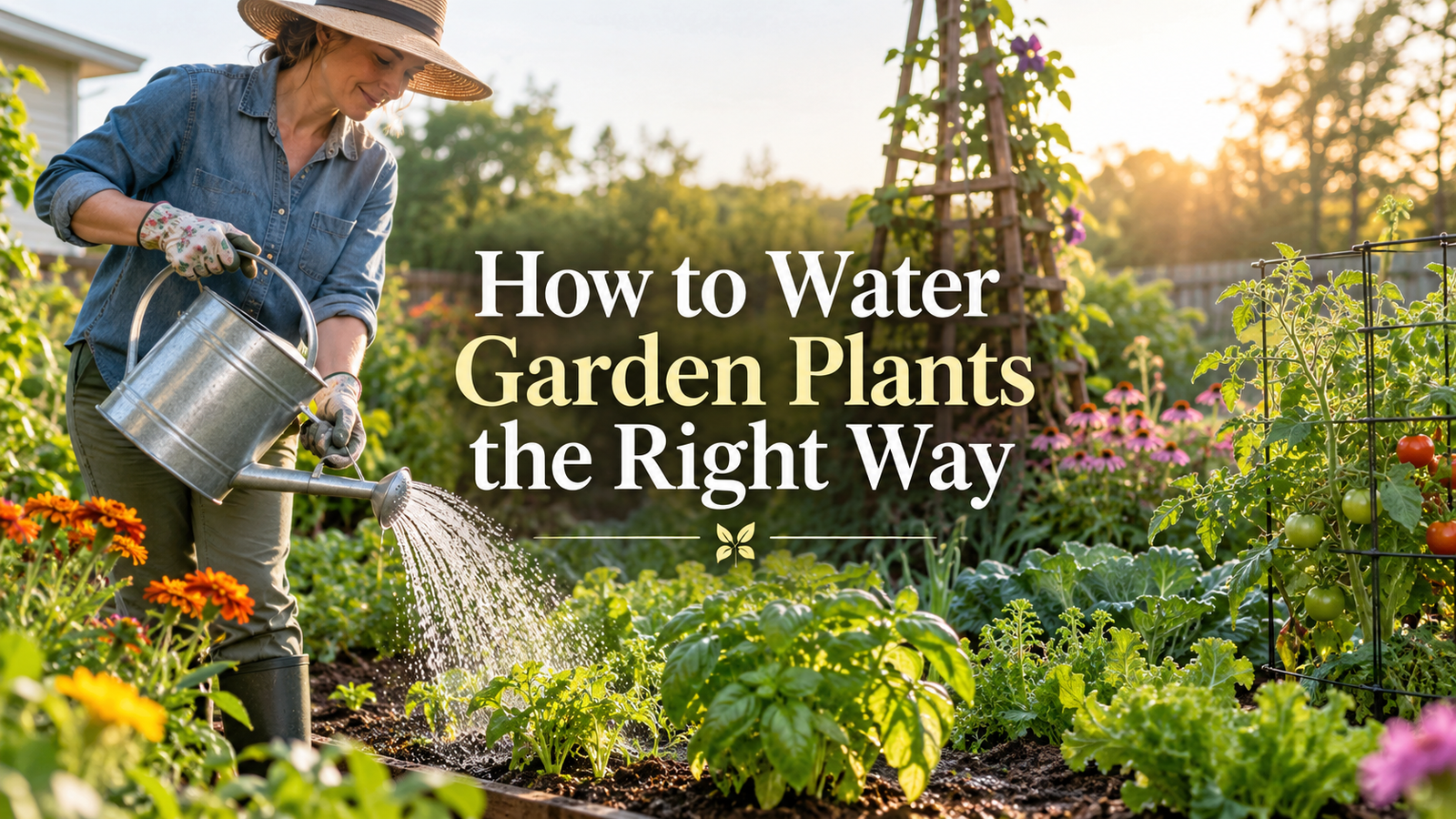
Water the Soil Properly
Watering habits can influence soil quality more than many people realize.
Frequent shallow watering encourages roots to remain close to the surface. Deeper watering generally encourages plants to develop stronger root systems.
At the same time, excessive watering can push air out of soil spaces and create conditions that many plants dislike.
The goal is to keep soil reasonably moist without keeping it constantly soaked.
Organic matter makes this balance easier to manage because it improves the soil’s ability to hold useful moisture while maintaining structure.
Mulching also reduces the need for frequent watering by slowing evaporation.
Let Old Plant Roots Decompose
After healthy annual plants finish growing, it is not always necessary to remove every tiny root from the soil.
Small roots left underground gradually decompose and become organic matter. The spaces left behind can also create channels that improve soil structure.
Of course, diseased plants may need to be removed completely to reduce the risk of future problems. Healthy plant roots, however, can become part of the natural soil improvement process.
This is another example of how working with natural decomposition can reduce unnecessary garden work.
Be Patient With Natural Soil Improvement
Improving soil naturally is not usually an instant process. Good soil develops gradually as organic materials decompose and biological activity increases.
You may notice improvements within one growing season, but the biggest changes often happen after several seasons of consistent care.
The advantage is that natural soil improvement becomes easier over time. Soil with plenty of organic matter usually requires less effort to keep productive than neglected soil.
Instead of searching for a quick solution every season, focus on building a healthy soil system that continues working for you.
Final Thoughts
Learning how to improve soil quality naturally can completely change the way you care for your garden. Healthy soil is not simply dirt that holds plants upright. It is a living environment filled with minerals, organic matter, air, water, roots, fungi, bacteria, insects, and earthworms.
Simple habits can make a major difference. Adding compost, using organic mulch, recycling fallen leaves, growing cover crops, preventing compaction, encouraging earthworms, and keeping the soil covered can gradually transform poor garden soil.
You do not need to use every method at once. Start with what is easy and practical for your garden. Even adding compost and mulch regularly can produce significant long term improvements.
The most important lesson is to keep feeding and protecting the soil rather than only focusing on the plants growing above it. When the soil becomes healthier, plants usually become stronger, watering becomes easier, and the entire garden becomes more productive.
Natural soil improvement requires patience, but the results can last for years. By treating soil as a valuable living resource, you create a healthier foundation for everything you choose to grow.