Hot weather can be one of the most challenging times for a home garden. Bright sunshine may help many plants grow, but excessive heat can quickly dry the soil, damage leaves, weaken roots, and reduce flowering or fruit production. When temperatures remain high for several days, even healthy plants can begin to look tired and stressed.
Keeping garden plants healthy during hot weather does not require complicated gardening techniques. Most plants simply need the right amount of water, protection from extreme sunlight, healthy soil, and careful attention during the hottest part of the season. A few changes in your daily gardening routine can help plants survive summer heat and continue growing beautifully.
Understanding what plants need during hot conditions is the first step toward creating a healthier garden.
Understand How Heat Affects Garden Plants
Plants naturally lose moisture through their leaves. During hot weather, this moisture loss becomes much faster. If the roots cannot absorb enough water from the soil, the plant may begin to wilt.
A little wilting during the hottest part of the afternoon is not always a serious problem. Some plants temporarily droop to reduce moisture loss and recover when temperatures become cooler. However, plants that remain wilted in the morning or evening may need immediate attention.
Extreme heat can also cause brown leaf edges, dry flowers, dropped buds, yellow leaves, slow growth, and poor fruit development.
Observing your plants regularly will help you notice these signs before the damage becomes serious.
Water Plants at the Right Time
Proper watering is probably the most important part of keeping garden plants healthy during hot weather.
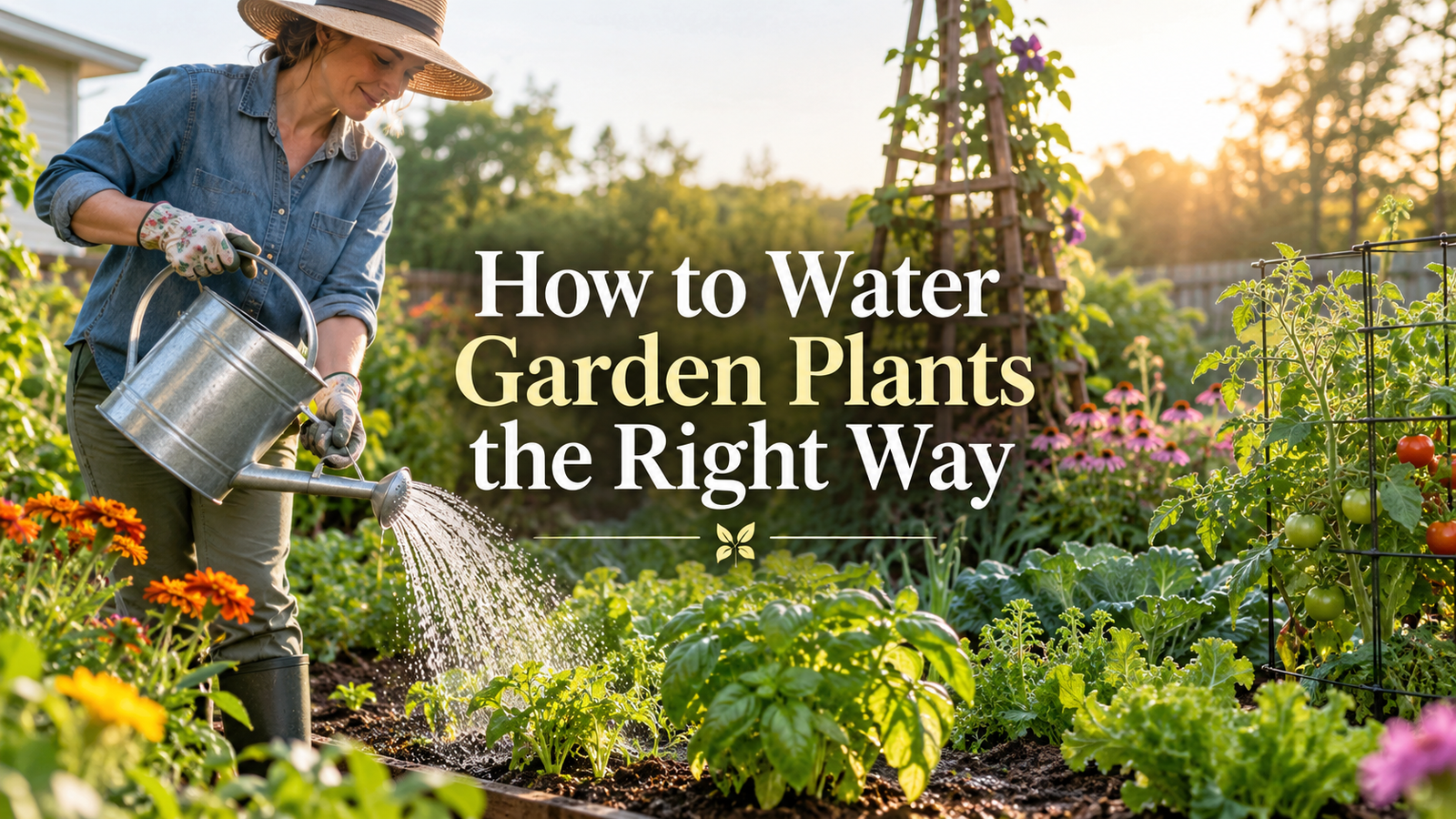
The best time to water most garden plants is early in the morning. At this time, temperatures are usually cooler and evaporation is lower. Water has enough time to soak deeply into the soil before the intense afternoon heat arrives.
Evening watering can also be useful during extremely hot conditions. However, try to water the soil instead of soaking the leaves. Leaves that remain wet for long periods may become more vulnerable to certain fungal problems.
Avoid depending on light surface watering. A small amount of water may make the top layer of soil look wet while deeper roots remain dry.
Deep watering encourages plant roots to grow farther into the soil where moisture stays available for longer periods.
Check the Soil Before Watering
Hot weather does not mean every plant should be watered constantly.
Too much water can be just as harmful as too little water because permanently wet soil reduces the amount of oxygen available around plant roots.
Before watering, touch the soil with your finger. If the upper layer feels dry but the soil underneath still feels slightly moist, the plant may not need water immediately.
Different soils also hold moisture differently. Sandy soil loses water quickly, while soil containing organic matter usually keeps moisture for longer.
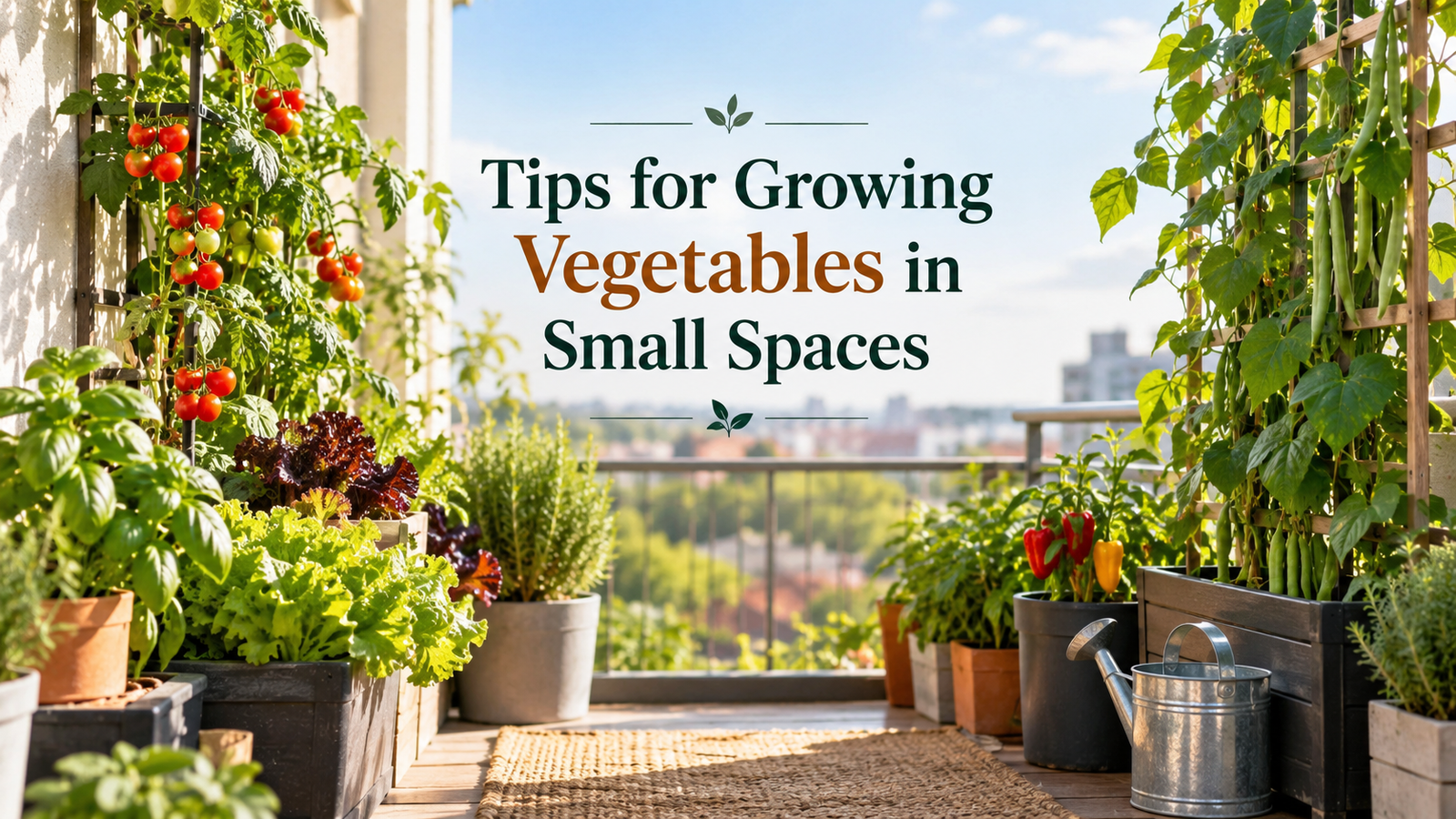
Container plants often need more frequent watering because pots dry much faster than garden beds.
Checking the soil instead of following a strict schedule is one of the simplest ways to provide plants with the correct amount of moisture.
Water the Roots Instead of the Leaves
Plants absorb most of their water through their roots. For this reason, water should be directed toward the soil around the base of the plant.
Spraying the leaves may temporarily cool the plant, but much of that water can evaporate before reaching the roots.
Slow watering is especially useful during hot weather. Allow water to move gradually into the soil instead of running across the surface.
A watering can, drip irrigation system, or hose with a gentle flow can provide moisture directly where plants need it.
Deep root watering also encourages stronger root development, which helps plants become more resistant to heat and dry conditions.
Add Mulch Around Your Plants
Mulch is one of the most useful materials in a summer garden.
A layer of mulch placed around plants reduces water evaporation and protects the soil from direct sunlight. It can also help keep the root area cooler during extremely warm afternoons.
Organic materials such as shredded leaves, compost, bark, straw, and dried grass can work well as mulch.
Spread the mulch around the plant while leaving a little space around the main stem. Piling mulch directly against stems can trap too much moisture and may encourage decay.
Mulching also improves soil gradually as organic materials break down.
During hot weather, this simple layer can make a noticeable difference in how long the soil remains moist.
Protect Sensitive Plants From Strong Afternoon Sun
Not every garden plant can tolerate intense sunlight throughout the entire day.
The afternoon sun is usually stronger and hotter than morning sunlight. Young plants, leafy vegetables, newly planted flowers, and some ornamental plants can suffer from excessive exposure.
Temporary shade can protect sensitive plants during periods of extreme heat.
Shade cloth is one option, but gardeners can also use lightweight garden fabric or position containers where they receive morning sun and afternoon shade.
The goal is not to remove sunlight completely. Plants still need light for healthy growth. The purpose of shade is simply to reduce the intensity of the strongest sunlight.
Pay Extra Attention to Container Plants
Plants growing in containers require special attention during hot weather.
Garden soil can hold a large amount of moisture, but the limited soil inside a pot may dry within hours when exposed to strong sunlight.
Check container plants daily during very hot periods.
Small pots usually dry faster than large containers because they contain less soil. Dark colored containers can also become warmer when they sit in direct sunlight for many hours.
Moving containers to an area with some afternoon shade can reduce heat stress.
Make sure every container has drainage holes as well. Plants need moisture, but their roots should not remain surrounded by standing water.

Improve the Soil With Organic Matter
Healthy soil helps plants handle stressful weather more effectively.
Adding compost or other organic matter improves the soil structure and increases its ability to hold moisture while still allowing excess water to drain.
Good soil also supports beneficial organisms and provides nutrients that plants need for strong root and leaf growth.
You do not need to completely replace your garden soil. Adding compost regularly can gradually improve its quality.
For established plants, compost can be spread carefully around the soil surface. For new planting areas, it can be mixed into the soil before planting.
Better soil creates healthier roots, and healthier roots help plants survive periods of high temperature.
Avoid Heavy Pruning During Extreme Heat
Pruning is useful for maintaining garden plants, but very hot weather is not always the best time for major pruning.
Leaves provide natural shade for stems and other parts of the plant. Removing too much foliage during a heatwave can suddenly expose sensitive areas to intense sunlight.
Heavy pruning can also create additional stress when the plant is already trying to conserve water.
You can still remove completely dead or badly damaged material when necessary, but major shaping is usually better saved for milder weather.
Allow healthy leaves to remain so the plant can continue producing energy and protecting itself.
Be Careful With Fertilizer
Many gardeners believe that a stressed plant needs extra fertilizer, but this is not always true.
Plants under severe heat stress may not be actively growing. Applying too much fertilizer during this period can place additional pressure on the roots and may cause damage.
It is often better to focus on proper watering, shade, mulch, and soil moisture until temperatures become more comfortable.
If fertilizer is necessary, always follow the instructions for the specific product and plant.
More fertilizer does not automatically mean faster or healthier growth. Balanced nutrition is much more important than quantity.
Remove Weeds Regularly
Weeds compete with garden plants for water, nutrients, sunlight, and growing space.
During hot and dry weather, this competition becomes even more important because soil moisture may already be limited.
Removing weeds allows more available water to reach the plants you actually want to grow.
Young weeds are usually easier to remove when the soil is slightly moist.
Adding mulch after weeding can also reduce the number of new weeds that appear while helping the soil stay cooler.
A clean garden bed is easier to maintain and gives your plants better access to valuable resources.
Support Newly Planted Plants Carefully
New plants are particularly vulnerable to hot weather because their root systems may not yet be fully established.
A mature plant often has roots that reach deep into the soil. A recently planted flower, vegetable, shrub, or young tree may only have roots near the original planting area.
These plants should be checked more frequently for moisture.
Temporary shade can also be helpful during the first few days after planting, especially when temperatures are unusually high.
If possible, avoid planting during the hottest hours of the day. Early morning or late afternoon is usually more comfortable for both the plant and the gardener.
Watch for Signs of Heat Stress
Healthy gardening depends heavily on observation.
Heat stressed plants may develop curled leaves, brown edges, dry flowers, yellow foliage, weak growth, or premature fruit drop.
Some plants may also stop flowering temporarily during extremely hot conditions.
When you notice these signs, check the soil first. If it is dry several centimeters below the surface, the plant may need deep watering.
If the soil is already moist, excessive sunlight or root problems could be responsible.
Avoid automatically adding more water every time a plant looks unhealthy. Understanding the cause of the stress will help you choose the correct solution.
Keep the Garden Clean
A clean garden environment can help plants remain healthier throughout summer.
Remove fallen leaves, damaged fruit, broken stems, and other decaying plant material when necessary. This material can sometimes provide hiding places for pests or contribute to disease problems.
At the same time, continue watching the underside of leaves and young stems for insects.
Plants weakened by heat may be more vulnerable to pests.
Regular inspection allows you to notice small problems before they spread throughout the garden.
Healthy plants are usually much better at recovering from minor pest damage than plants that are already suffering from severe heat stress.
Group Plants According to Their Water Needs
Not all garden plants require the same amount of water.
Some flowers, vegetables, and tropical plants prefer consistently moist soil. Other plants naturally tolerate dry conditions.
When possible, grow plants with similar watering requirements near each other.
This makes watering more efficient and reduces the risk of giving too much water to drought tolerant plants or too little water to moisture loving plants.
The same idea can be used with container plants. Grouping pots with similar needs makes the daily watering routine easier to manage.
Understanding the individual requirements of each plant will always produce better results than treating every plant exactly the same.
Choose Heat Tolerant Plants for Future Seasons
If your area experiences long periods of hot weather every year, choosing suitable plants can make garden maintenance much easier.
Some plant varieties naturally tolerate strong sunlight and warm temperatures better than others.
Before adding a new plant, learn about its preferred climate, sunlight requirements, mature size, and watering needs.
A plant that matches your local conditions will usually remain healthier with less effort than one that constantly struggles against the environment.
This does not mean you must completely redesign your garden. Gradually adding plants that perform well in your climate can create a stronger and more reliable garden over time.
Create a Simple Summer Garden Routine
Consistency is more useful than complicated gardening techniques.
During hot weather, spend a few minutes each morning checking your plants.
Look at the leaves, touch the soil, inspect containers, remove visible weeds, and notice any signs of pest damage.
Water deeply when necessary and make sure mulch is still covering exposed soil.
These simple observations can prevent many common summer gardening problems.
It is much easier to help a plant that has recently started showing stress than to rescue one that has remained dry and damaged for several days.
Final Thoughts
Learning how to keep garden plants healthy during hot weather is mainly about helping plants manage moisture and temperature stress.
Water deeply at the right time, protect the soil with mulch, provide shade when necessary, improve soil with organic matter, and pay special attention to young plants and containers. Avoid unnecessary pruning and excessive fertilizer when plants are already struggling with extreme heat.
Most importantly, observe your garden regularly. Every plant responds differently to weather conditions, and small changes in appearance can tell you a great deal about what it needs.
Hot summer weather can be demanding, but it does not have to ruin a beautiful garden. With thoughtful watering, healthy soil, proper protection, and a consistent care routine, your plants can remain strong, attractive, and productive even during the warmest part of the year.