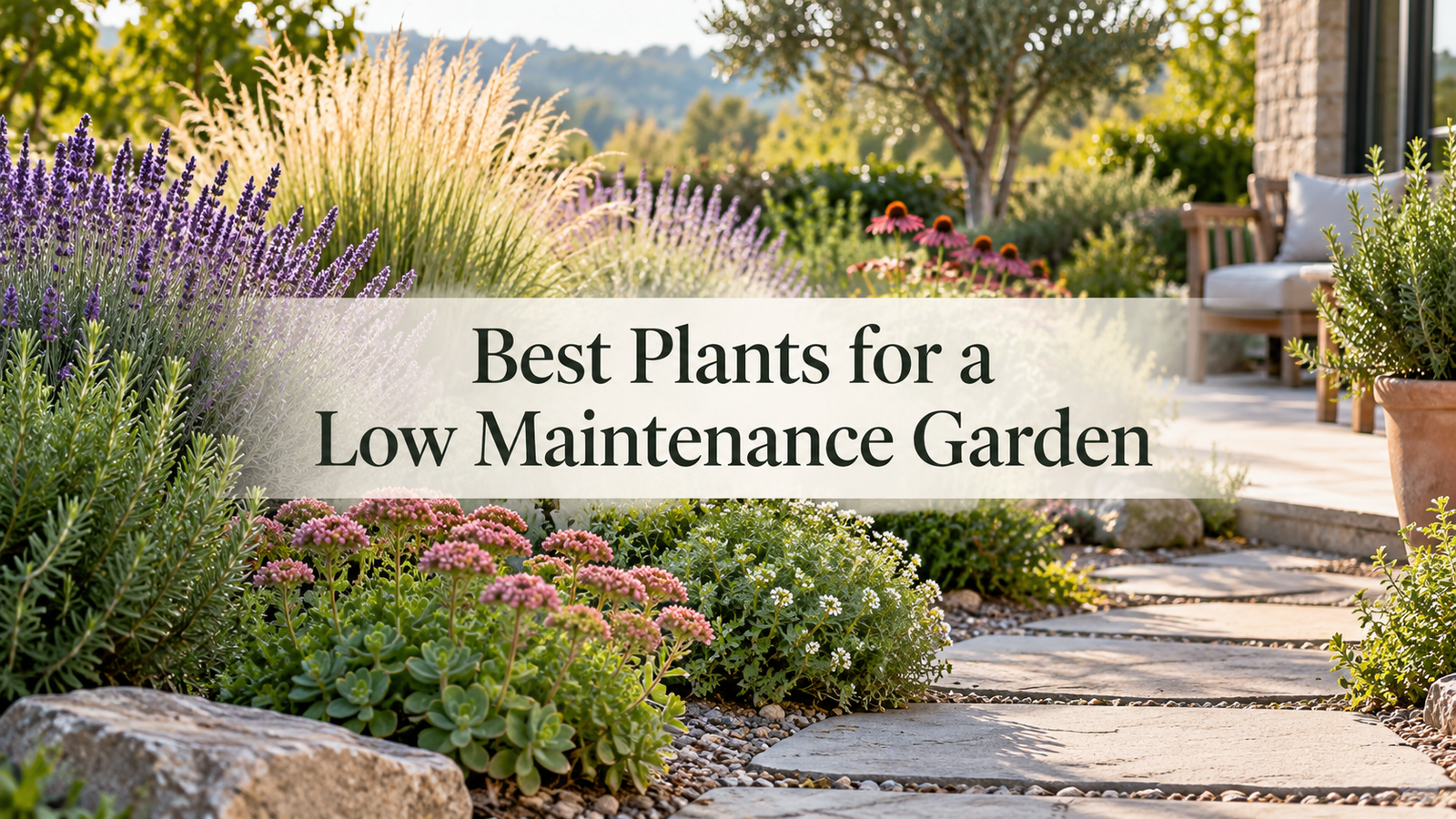
Creating a beautiful garden does not always mean spending hours every week watering, pruning, feeding, and caring for plants. A garden can look fresh, colorful, and welcoming without demanding too much time or effort. The secret is choosing the right plants from the beginning. The best plants for a low maintenance garden are usually hardy, adaptable, and capable of growing well with basic care.
A low maintenance garden is especially useful for busy homeowners, beginners, older gardeners, and anyone who simply wants to enjoy outdoor space without turning gardening into a daily responsibility. I have found that choosing plants according to the local climate, sunlight, and soil conditions makes a much bigger difference than constantly trying to fix problems later.
Some plants naturally tolerate dry periods, poor soil, changing temperatures, and occasional neglect. Once established, they can continue growing for years with only simple seasonal care. The following plants are excellent choices for creating an attractive and practical garden that remains manageable throughout the year.
Lavender
Lavender is one of the best plants for a low maintenance garden because it combines beauty, fragrance, and durability. Its soft purple flowers add color to borders, pathways, containers, and sunny corners.
Lavender prefers plenty of sunlight and soil that drains well. Once the roots are established, the plant does not require frequent watering. In fact, too much water can cause more problems than too little.
Another reason I like lavender is that it does not usually require complicated feeding schedules. A light trim after flowering can help maintain its shape and encourage healthy growth.
Lavender is also useful for attracting bees and other helpful pollinators. Its fragrance can make a seating area or garden path feel more relaxing.
Rosemary
Rosemary is another excellent choice for gardeners who want attractive plants with practical uses. This evergreen herb has narrow green leaves and a pleasant fragrance. It can be planted in garden beds or grown in containers.
Rosemary performs best in sunny locations with good drainage. After it becomes established, it can tolerate periods of dry weather better than many softer garden plants.
One of the biggest advantages of growing rosemary is that it can be used in cooking. A single healthy plant can provide fresh leaves for many years if it is cared for properly.
Occasional pruning helps keep rosemary compact, but it generally does not require constant attention.
Hostas
Not every garden receives strong sunlight. For shady spaces, hostas can be an excellent low maintenance option.
Hostas are mainly grown for their attractive leaves. Depending on the variety, the leaves may be green, blue green, cream, or patterned. Their large foliage can make shaded corners look full and interesting even when few flowers are present.
Once established, hostas return year after year in suitable climates. They usually need regular moisture during very dry weather, but they do not require complicated pruning.
Removing damaged leaves and clearing old growth at the end of the growing season is often enough to keep them looking tidy.
Daylilies
Daylilies are dependable flowering plants that work well in many garden styles. Their colorful flowers can brighten borders and open planting areas during the warmer months.
These plants are popular because they can adapt to different soil conditions and usually continue flowering without intensive care. They grow best in sunny locations but can tolerate some partial shade.
Daylilies form clumps that gradually increase in size. After several years, the clumps can be divided to create additional plants for other parts of the garden.
They are a good choice for anyone who wants seasonal flowers without having to replace plants every year.
Sedum
Sedum is an excellent option for dry and sunny areas. There are many types of sedum, ranging from small ground covering plants to taller varieties that produce clusters of flowers.
The thick leaves store moisture, allowing the plant to survive periods when water is limited. This makes sedum particularly useful in gardens where frequent watering is difficult.
Sedum grows best in well drained soil and generally does not require rich fertilizer. Too much water or overly fertile soil can actually encourage weak growth.
Many sedum varieties also provide attractive flowers that bring bees and butterflies into the garden.
Ornamental Grasses
Ornamental grasses are useful for adding movement, texture, and height to a low maintenance garden. Their leaves move gently in the wind, creating a softer and more natural appearance.
Many ornamental grasses are extremely adaptable once they become established. They can tolerate heat, dry conditions, and different types of soil depending on the variety.
Most only need to be cut back once a year to remove old growth. New leaves then emerge as the growing season begins.
Ornamental grasses look especially attractive when planted along paths, around patios, or in groups with flowering plants.
Coneflowers
Coneflowers are strong perennial plants known for their colorful blooms and distinctive raised centers. Purple is one of the most familiar colors, although modern varieties are available in several shades.
Coneflowers generally prefer sunny positions and well drained soil. Once mature, they can tolerate dry weather and require less frequent watering.
Their flowers are also valuable for pollinators. Bees and butterflies often visit them during the flowering season, while seed heads may attract birds later in the year.
Leaving some flower heads in place can provide natural interest during the cooler months.
Black Eyed Susan
Black Eyed Susan is another reliable flowering plant for easy garden care. Its bright yellow petals and dark centers create a cheerful display during summer and early autumn.
These plants grow well in sunny locations and are fairly tolerant of different soil conditions. Once established, they can cope with occasional dry periods.
They work well in informal flower beds, cottage style gardens, and natural planting areas.
Removing faded flowers can encourage a neater appearance, but the plant can still perform well with limited maintenance.
Geraniums
Hardy geraniums are useful plants for borders, ground cover, and spaces between larger shrubs. They should not be confused with the tender geraniums often grown in seasonal containers.
Hardy varieties return year after year and usually spread gradually without becoming difficult to control. They produce attractive flowers and soft foliage that helps fill empty spaces.
Many varieties tolerate partial shade, making them useful in areas where sun loving plants may struggle.
After flowering, some plants benefit from a light trim. Apart from this basic care, hardy geraniums are usually easy to manage.
Russian Sage
Russian sage is a beautiful plant for sunny and dry garden areas. It produces tall stems covered with small blue or purple flowers and soft colored foliage.
It is highly valued in low maintenance gardening because mature plants generally handle dry conditions well. They also continue flowering for long periods during warm weather.
Russian sage can be cut back once a year before new growth develops. This simple pruning encourages fresh stems and keeps the plant looking neat.
Its airy shape works especially well when combined with ornamental grasses and other drought tolerant plants.

Yarrow
Yarrow is a tough perennial that can grow successfully in conditions where more delicate flowers may struggle. It produces flat clusters of small flowers in several colors.
The plant prefers sunny locations and performs well in soil that drains easily. Once established, yarrow does not usually require frequent watering.
Its flowers can attract butterflies and other beneficial insects, which makes it useful in wildlife friendly gardens.
Cutting back old flowers can improve appearance, but the plant generally remains easy to care for throughout the growing season.
Catmint
Catmint is a practical choice for edging pathways and filling sunny garden beds. It produces soft green foliage and masses of small purple or blue flowers.
One of its greatest advantages is its long flowering period. Once established, many varieties tolerate dry weather and continue growing with limited attention.
A light trim after the first main flowering period can encourage another flush of growth and flowers.
Catmint also works beautifully when planted near roses because its soft foliage creates an attractive contrast.
Hydrangeas
Hydrangeas may look luxurious, but many varieties are surprisingly easy to maintain when planted in the correct position.
They prefer soil that retains some moisture and locations that provide suitable light for the chosen variety. Once established, healthy hydrangeas can produce impressive flowers each year without demanding constant care.
The main requirement is learning when to prune the particular variety you are growing. Some hydrangeas flower on old growth, while others produce flowers on new stems.
Choosing a variety suited to your climate can make caring for hydrangeas much easier.
Hellebores
Hellebores are useful for adding flowers to the garden during cooler periods when many other plants are inactive. Their elegant blooms often appear from late winter into spring.
They prefer partially shaded locations and soil with good drainage.
Once established, hellebores generally require very little attention. Removing old or damaged leaves can keep the plants tidy and make their flowers more visible.
They are an excellent choice for planting beneath trees or around shrubs where sunlight is limited.
Succulents
Succulents are among the easiest plants to manage in warm and dry environments. Their thick leaves store water, which means they can survive longer periods without irrigation.
There are many shapes, sizes, and textures available, allowing gardeners to create interesting displays without relying entirely on flowers.
Succulents need good drainage because constantly wet soil can damage their roots. They are excellent for containers, rock gardens, small courtyards, and sunny borders.
In colder climates, some varieties may require protection during winter, so it is important to choose plants suited to local conditions.
Choose Plants That Suit Your Garden
Even the easiest plant can become difficult to care for if it is grown in the wrong place. Before buying plants, I think it is worth spending some time observing the garden.
Notice which areas receive full sunlight and which remain shaded. Check whether the soil stays wet after rainfall or dries quickly. It is also helpful to understand the usual summer heat and winter temperatures in your area.
Choosing plants that naturally suit these conditions reduces the need for extra watering, fertilizer, pest control, and protection.
Native plants are often worth considering because they are already adapted to local weather and growing conditions.
Use Mulch to Reduce Garden Work
Choosing low maintenance plants is only part of the solution. Mulch can make the entire garden easier to manage.
A layer of organic mulch around plants helps the soil retain moisture and reduces the growth of weeds. It can also protect roots from extreme temperatures and gradually improve soil quality as it breaks down.
Bark, compost, shredded leaves, and other suitable organic materials can all be used depending on the style of the garden.
Keeping mulch away from the main stems of plants can help prevent excess moisture from collecting around them.
Avoid Overplanting
It can be tempting to fill every empty space when creating a new garden. However, plants become larger as they mature.
Placing too many plants close together can create extra pruning work and reduce air circulation. It may also increase competition for water and nutrients.
Checking the expected mature size before planting helps create a garden that remains easier to manage over time.
Leaving enough space also allows each plant to develop its natural shape.
Create a Simple Watering Routine
Even drought tolerant plants need water while their roots are becoming established. A good watering routine during the early stages can help plants become stronger and more independent later.
Deep watering is usually more helpful than giving plants very small amounts of water every day. It encourages roots to grow deeper into the soil.
Once plants are established, watering can often be reduced depending on rainfall and local climate conditions.
Group plants with similar water needs together. This makes irrigation simpler and helps prevent some plants from receiving too much water while others receive too little.
Final Thoughts
The best plants for a low maintenance garden are plants that look attractive while naturally coping with the conditions available in your outdoor space. Lavender, rosemary, hostas, daylilies, sedum, ornamental grasses, coneflowers, hardy geraniums, yarrow, catmint, and many other dependable plants can create a beautiful garden without requiring constant attention.
The most important lesson is that low maintenance gardening begins with thoughtful plant selection. Instead of choosing a plant only because it looks attractive at the garden center, consider its sunlight, soil, water, climate, and mature size requirements.
When the right plant is placed in the right location, gardening becomes much simpler. Plants grow more naturally, problems become less frequent, and less time is spent correcting unsuitable conditions.
A low maintenance garden does not need to look plain or empty. With a balanced combination of flowering plants, herbs, grasses, shrubs, and attractive foliage, it can provide color and interest throughout the year.
The goal is not to create a garden that requires absolutely no care. Every outdoor space needs some attention. The goal is to create a garden where simple maintenance is enough to keep everything healthy and attractive.
With careful planning and the right plant choices, you can spend less time working in the garden and more time enjoying it.