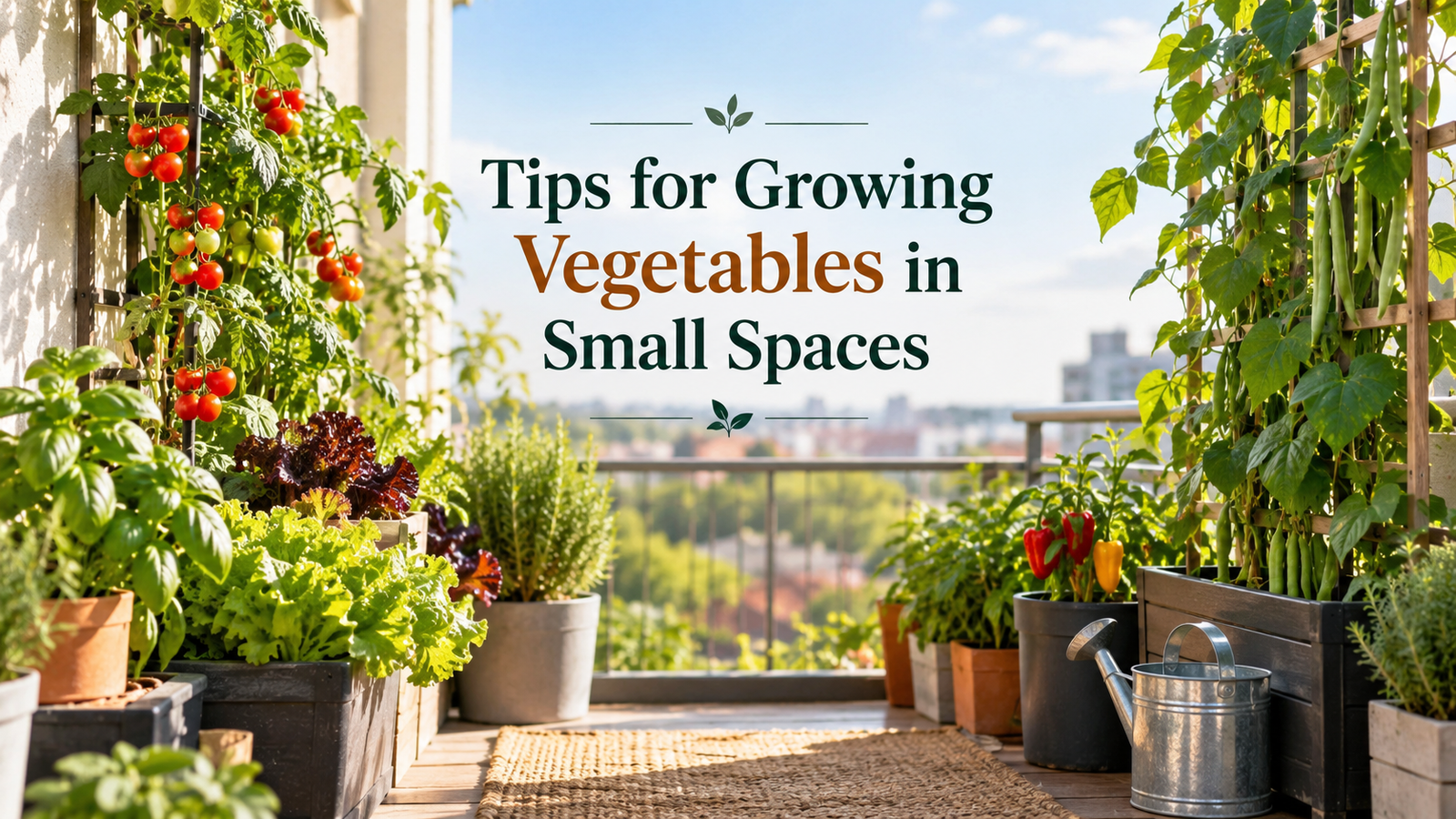
Growing fresh vegetables at home does not require a large backyard or a wide garden. With careful planning, even a balcony, patio, rooftop, small courtyard, or sunny window area can become a productive vegetable garden. I have found that the most important thing in a small garden is not the amount of space available, but how wisely that space is used. When the right vegetables, containers, soil, and growing methods are combined, a surprisingly small area can provide fresh food for many months of the year.
Growing vegetables in small spaces is also a practical way to enjoy gardening without dealing with a large amount of maintenance. You can keep plants close to your home, notice problems quickly, and harvest vegetables when they are fresh. A small vegetable garden can be productive, attractive, and enjoyable at the same time.
Start by Studying Your Available Space
Before planting anything, spend some time observing the place where you want to grow vegetables. Pay attention to sunlight, airflow, temperature, and access to water.
Most vegetable plants need several hours of direct sunlight each day. Tomatoes, peppers, cucumbers, beans, and many other fruit producing vegetables generally grow best in sunny locations. Leafy vegetables such as lettuce, spinach, and some herbs can often tolerate a little less sunlight.
Watch your growing area at different times of the day. A balcony that looks sunny in the morning may become shaded during the afternoon because of nearby buildings or trees.
Understanding these conditions will help you select vegetables that have a better chance of growing successfully.
Choose Vegetables Suitable for Small Spaces
Not every vegetable needs a large garden bed. Many vegetables grow perfectly well in containers and compact spaces.
Leafy vegetables are some of the easiest choices. Lettuce, spinach, kale, and Swiss chard can produce plenty of leaves without needing deep or wide beds.
Radishes are another useful option because they mature quickly and require relatively little space. Carrots can also grow well in containers as long as the container is deep enough for the variety being planted.
Compact varieties of tomatoes and peppers are ideal for patios and balconies. Bush beans usually require less room than larger climbing varieties, although climbing beans can also be excellent when vertical space is available.
When buying seeds, look for words such as compact, patio, bush, dwarf, or container on the seed packet. These varieties are often developed for gardeners with limited space.
Use Containers to Increase Growing Opportunities
Container gardening is one of the best methods for growing vegetables in small spaces. Pots allow you to turn many unused areas into productive growing locations.
You do not always need expensive decorative containers. Vegetable plants can grow in many types of containers as long as they are strong, safe, and have proper drainage.
The size of the container matters. Small herbs and leafy vegetables can grow in relatively shallow pots, while tomatoes, peppers, cucumbers, and root vegetables usually need larger containers.
One common mistake is placing a large vegetable plant in a container that is too small. The soil dries quickly, roots become crowded, and the plant may struggle to absorb enough nutrients.
Always make sure drainage holes are present at the bottom of the container. Water should be able to leave the soil easily. Standing water around roots can encourage root problems and poor plant growth.
Grow Vegetables Vertically
Vertical gardening is extremely useful when floor space is limited. Instead of allowing plants to spread across the ground, encourage them to grow upward.
Beans, peas, cucumbers, and some tomato varieties can be trained on supports. Trellises, cages, stakes, fences, and strong strings can all help plants grow vertically.
For example, a cucumber plant spreading across the ground may take up a large area. When it is trained upward on a trellis, the same plant uses much less floor space.
Vertical gardening also improves airflow around many plants. Better airflow can help leaves dry faster after watering or rain, which may reduce some plant health problems.
Before installing a support, make sure it is strong enough for the mature plant. Vegetables such as cucumbers and tomatoes can become surprisingly heavy once they begin producing fruit.
Select Good Quality Soil
Healthy soil is one of the most important parts of successful vegetable gardening.
For containers, ordinary garden soil is usually not the best choice because it can become heavy and compacted. A good quality potting mixture designed for containers provides better drainage and allows roots to receive enough air.
Compost can also improve the growing mixture by adding organic matter and nutrients.
Good soil should hold enough moisture for plants while allowing extra water to drain away. It should feel loose rather than hard and compact.
Since container plants have access to a limited amount of soil, maintaining soil quality becomes especially important.
Make the Most of Every Inch
In a small garden, careful spacing can greatly increase production.
Avoid leaving unnecessarily large gaps between plants, but do not overcrowd them either. Every vegetable still needs enough room for its leaves and roots to develop properly.
One useful technique is succession planting. Instead of planting everything at the same time, plant small amounts at regular intervals.
For example, you could plant a small group of radishes or lettuce, then plant another group a couple of weeks later. This can provide a more continuous harvest instead of producing everything at once.
Fast growing vegetables can also sometimes be planted around slower growing crops. By the time the larger crop needs more space, the quick crop may already have been harvested.
Water Carefully
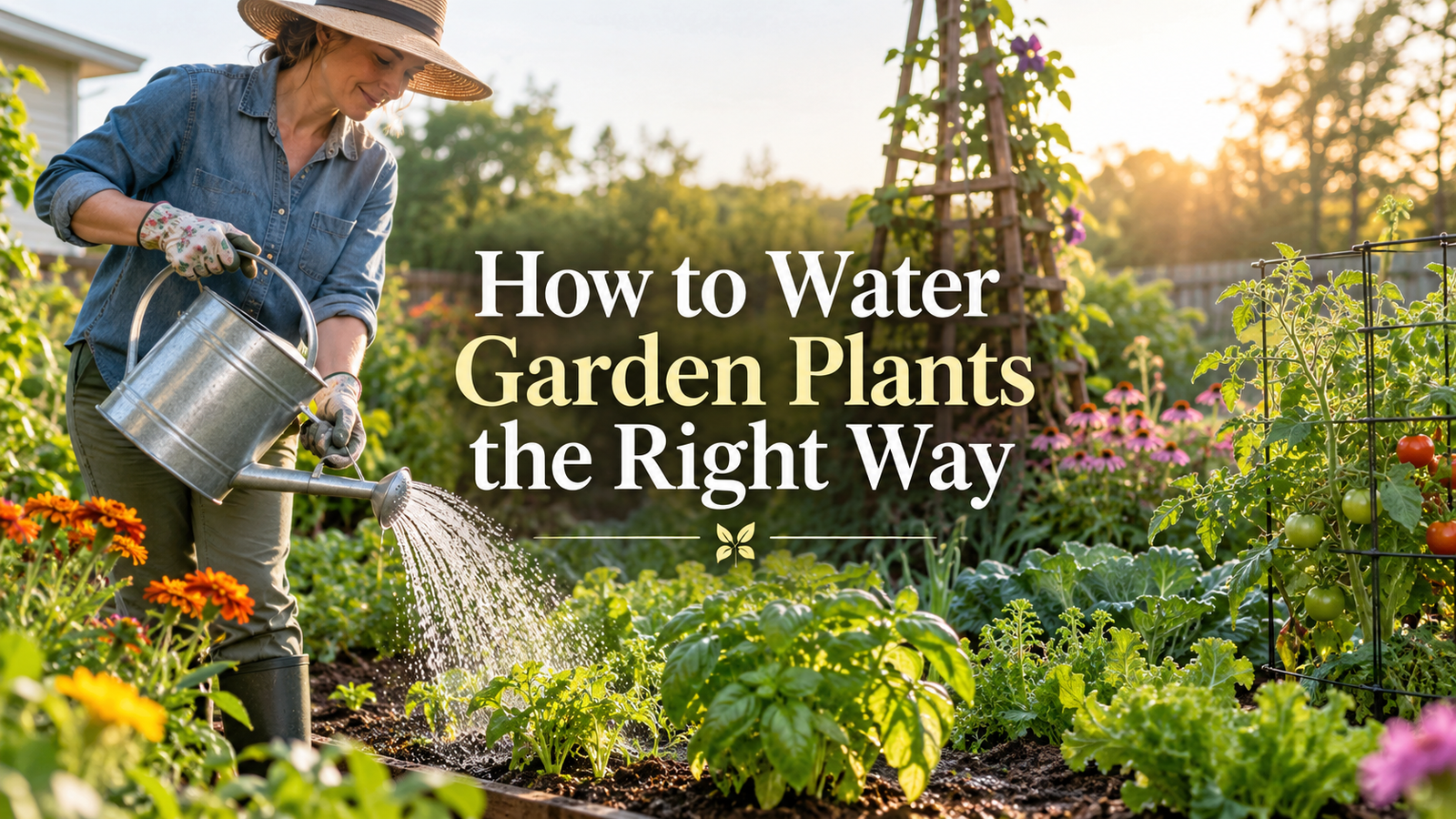
Watering is particularly important when growing vegetables in containers because containers usually dry faster than garden soil.
Check the soil regularly by touching the surface with your finger. If the upper part feels dry, the plant may need water.
During hot weather, some containers may require frequent watering. Smaller pots usually dry faster than larger ones.
Water deeply enough to moisten the soil rather than giving plants only a tiny amount each time. Deep watering encourages better root development.
Try to water the soil around the plant rather than constantly wetting the leaves. Morning is often a convenient time because plants can absorb moisture before the hottest part of the day.
The goal is consistent moisture. Plants should not repeatedly become extremely dry and then suddenly receive too much water.
Feed Container Vegetables Properly
Vegetables need nutrients to produce healthy leaves, roots, flowers, and fruits.
Plants growing in containers have access to fewer nutrients than plants growing in large garden beds. Regular watering can also gradually carry nutrients out through drainage holes.
Adding compost at planting time can provide a useful nutritional foundation. Depending on the vegetable and growing medium, additional fertilizer may eventually be needed.
Always follow the instructions provided with any fertilizer you use. Adding too much fertilizer can damage plants and does not necessarily increase production.
Tomatoes, peppers, cucumbers, and other productive vegetables often need more nutrients than simple leafy crops.
Combine Compatible Plants
Growing more than one type of vegetable in a large container can help maximize limited space.
For example, a tall plant may occupy the upper area of the garden while smaller leafy vegetables grow closer to the soil.
However, plants sharing the same container should have similar sunlight and watering requirements. A large plant with aggressive roots can sometimes compete heavily with smaller plants, so container size should always be considered.
The aim is to use space efficiently without creating excessive competition.
Use Railings, Walls, and Hanging Areas
Look beyond the floor when planning a small vegetable garden.
Balcony railings may support suitable planters. Strong walls can hold vertical garden systems or climbing supports. Hanging containers may be useful for herbs or certain compact vegetables.
Shelves can also create several growing levels in one small area. Place taller plants where they will not completely block sunlight from shorter plants.
Whenever using hanging or raised containers, make sure they are securely installed. Wet soil is heavy, especially in larger pots.
Grow Herbs Alongside Vegetables
Herbs are excellent additions to small vegetable gardens because many require very little space.
Basil, parsley, coriander, mint, chives, thyme, and other kitchen herbs can grow in containers.
Fresh herbs are especially rewarding because you can harvest only what you need for cooking.
Some herbs should be given their own containers. Mint, for example, can spread aggressively and may compete with nearby plants if it shares a limited growing area.
Growing herbs close to the kitchen also makes them convenient to harvest.
Watch for Pests Regularly
Small gardens can still attract common vegetable pests. The advantage of growing vegetables close to home is that plants can be inspected frequently.
Look at both sides of leaves and examine stems regularly. Watch for holes, discoloration, unusual spots, damaged growth, or visible insects.
Early detection makes many gardening problems easier to control.
Keeping the growing area clean also helps. Remove dead leaves, fallen vegetables, and unhealthy plant material when necessary.
Healthy plants grown in suitable conditions are generally better able to handle minor stress than weak plants.
Harvest Vegetables Regularly
Regular harvesting is one of the pleasures of growing vegetables at home, but it can also encourage continued production in certain plants.
Beans, cucumbers, peppers, lettuce, and many herbs can often be harvested repeatedly during their productive period.
Do not leave mature vegetables on plants for too long. Check the garden frequently and harvest produce when it reaches a suitable size.
Freshly picked vegetables can be one of the biggest rewards of maintaining even a very small garden.
Keep Learning From Each Growing Season
Vegetable gardening involves observation and adjustment.
Some plants may perform extremely well in your particular space while others may struggle. Keep simple notes about which varieties grew successfully, how much sunlight they received, and when they were planted.
After a few growing seasons, you will understand your space much better.
You may discover that one corner is perfect for leafy vegetables while another location receives enough sunlight for tomatoes or peppers.
Small improvements each season can gradually make your garden more productive.
Avoid Trying to Grow Too Much
One of the easiest mistakes to make is filling every container and corner with plants.
A crowded garden may look productive at first, but vegetables competing for sunlight, water, nutrients, and airflow can become weaker.
It is usually better to grow a smaller number of healthy plants properly than to force too many vegetables into the available space.
Begin with a manageable selection and increase the number of plants as you gain experience.
Final Thoughts
Growing vegetables in small spaces is possible for almost anyone who has access to a little sunlight and enough room for a few containers. A balcony, patio, rooftop, courtyard, or small outdoor corner can become a productive source of fresh vegetables when space is planned carefully.
The key is to choose compact vegetables, use good soil, provide proper sunlight and water, and take advantage of vertical space. Containers, trellises, shelves, and hanging areas can dramatically increase the amount of food that can be grown in a limited area.
Successful small space gardening does not depend on having the largest garden. It depends on understanding the needs of your plants and using the available space intelligently.
Start with a few easy vegetables, observe how they grow, and improve your methods over time. With patience and regular care, even a small garden can provide fresh produce, valuable gardening experience, and the satisfaction of growing your own food at home.