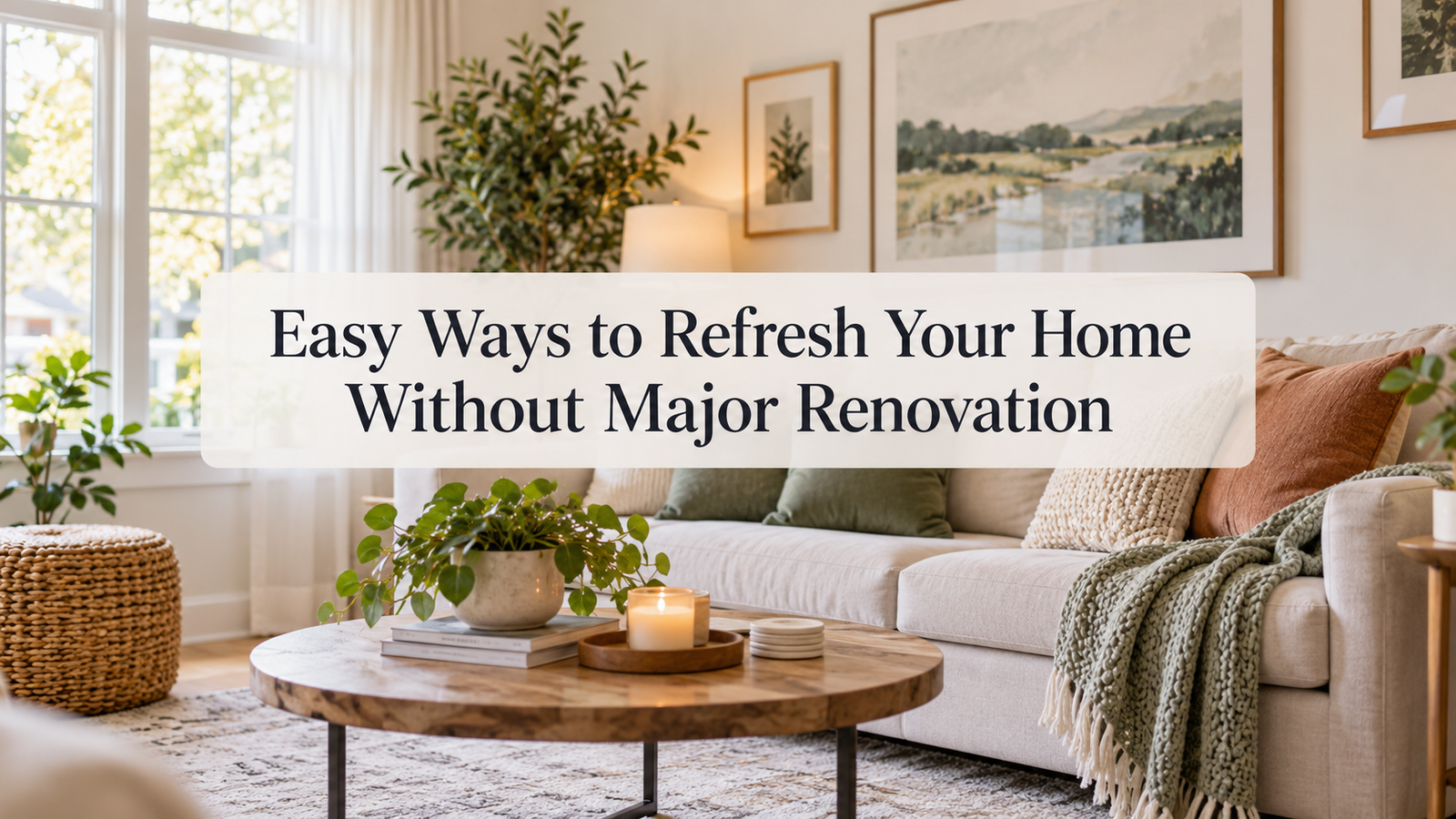
A home does not always need an expensive renovation to feel fresh, comfortable, and attractive. Sometimes the smallest changes can completely improve the atmosphere of a room. When I think about improving a home, I prefer starting with simple changes that make an immediate visual difference without creating unnecessary expense or disruption.
Many people delay updating their homes because they imagine renovation means removing walls, replacing floors, buying new furniture, and hiring contractors. In reality, there are many easy ways to refresh your home without major renovation. A few thoughtful updates can make old rooms look cleaner, brighter, and more modern.
The most important thing is to look at your home with fresh eyes. Walk through each room and notice what feels tired, cluttered, dark, or outdated. Once you understand what is affecting the appearance of the space, it becomes much easier to decide what needs attention.
Start With a Deep Clean
One of the simplest ways to refresh your home is also one of the least expensive. A thorough cleaning can change the entire appearance of a room.
Over time, dust collects on furniture, windows, light fixtures, shelves, doors, and decorative items. Even a beautiful room can start looking dull when these surfaces are not properly cleaned.
Clean the windows carefully so more natural light can enter the room. Wash curtains when necessary and remove dust from blinds. Wipe doors, cabinets, baseboards, switches, and handles. Clean surfaces that are usually ignored during normal weekly cleaning.
Carpets and rugs can also benefit from a deeper cleaning. Once dirt and dust are removed, their original colors often become more noticeable.
A clean home naturally feels more spacious and welcoming. Before spending money on new decorations, I always believe it is worth seeing how much improvement can be achieved through cleaning alone.
Remove Unnecessary Clutter
Clutter can make even a large room feel smaller. Too many objects on tables, countertops, shelves, and furniture create visual noise.
Refreshing your home can therefore begin by removing things you no longer use or enjoy.
Start with one room instead of trying to organize the whole house in one day. Look at every visible item and ask whether it serves a useful purpose or adds beauty to the room.
Keep everyday essentials within easy reach, but find suitable storage for items that do not need to remain visible.
Decorative objects usually look better when they have space around them. Instead of displaying many small decorations together, choose a few pieces that you genuinely like.
This simple approach can make your home feel calmer and more organized without buying anything new.
Change the Furniture Arrangement
Moving furniture is one of my favorite ways to refresh a room because it costs absolutely nothing.
The position of a sofa, chair, dining table, or bed can influence how spacious and comfortable a room feels. Sometimes we keep furniture in the same position for years simply because we have become used to seeing it there.
Try changing the layout.
Move chairs closer together to create a comfortable conversation area. Place furniture in a way that allows people to move easily through the room. If possible, avoid blocking windows because natural light can make a space feel larger.
In a bedroom, even moving the bed to a different wall can create a surprisingly different atmosphere.
Take a few minutes to experiment with different arrangements before deciding which one works best.
Give the Walls a Fresh Look
Walls have a major influence on the overall appearance of a home.
Painting a room is much easier and less expensive than completing a full renovation. Fresh paint can make an older room look cleaner and more modern almost immediately.
Neutral shades such as soft white, warm beige, light gray, and gentle cream are popular because they work well with many decorating styles. Lighter colors can also help small rooms appear brighter.
You do not necessarily need to paint every wall. Sometimes painting a single wall in a different color can create an attractive focal point.
If you do not want to paint, consider changing what is displayed on the walls. New artwork, framed photographs, mirrors, or simple prints can completely transform an empty surface.
Improve Your Lighting
Lighting is often overlooked when people think about home improvement.
A room with poor lighting can feel dull even when the furniture and decorations are beautiful. Improving the lighting is an easy way to refresh your home without major renovation.
Try using more than one source of light in important rooms.
For example, a living room can have a main ceiling light, a floor lamp, and a small table lamp. Different lighting sources create depth and make the room feel more comfortable in the evening.
Replacing old lamp shades can also make a noticeable difference.
During the day, make the most of natural light. Open curtains and keep windows clear whenever possible.
Mirrors can help reflect light around darker rooms. Positioning a mirror near a window can make a room appear brighter and more open.
Refresh Soft Furnishings
Soft furnishings are easy to change and can quickly introduce new colors and textures.
Cushion covers are a good example. Instead of replacing an entire sofa, simply adding new cushions can give it a completely different appearance.
Choose colors that work well with your existing furniture and walls.
Blankets and throws are also useful for refreshing living rooms and bedrooms. A neatly placed throw can add warmth and texture to a simple sofa or chair.
Curtains can have an equally strong effect. Heavy or outdated curtains may make a room appear darker. Replacing them with lighter fabric can help create a cleaner and fresher look.
Bed linen should not be forgotten either. Fresh sheets, pillow covers, and a simple bedspread can completely change the feeling of a bedroom.
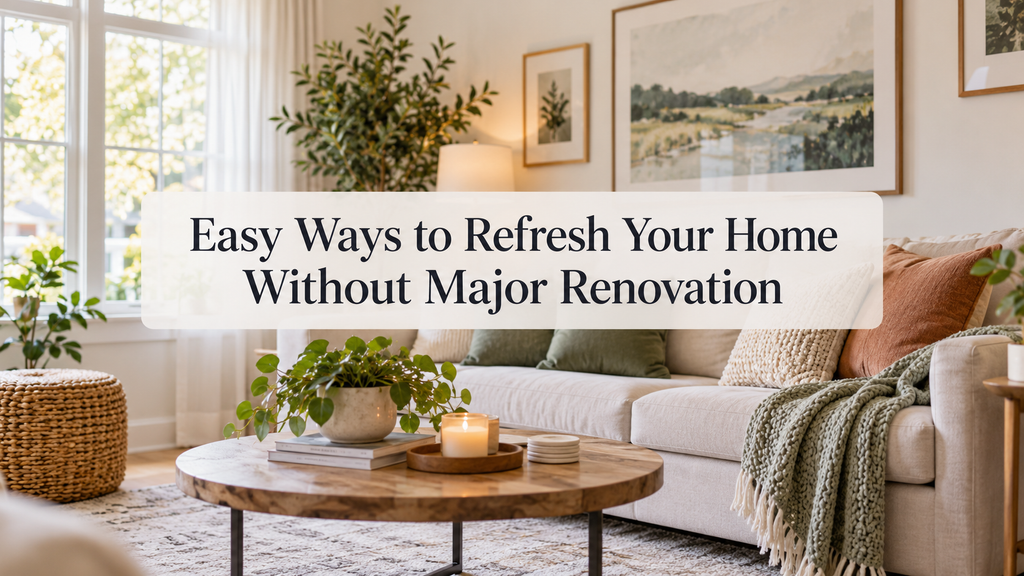
Add Indoor Plants
Plants bring natural beauty into a home and can make ordinary spaces feel more lively.
You do not need to create a large indoor garden. Even one or two healthy plants can improve the appearance of a room.
A small plant can be placed on a shelf, side table, desk, or kitchen counter. Larger plants can help fill empty corners.
Choose plants according to the amount of natural light available in your home. Some plants need bright sunlight, while others can grow in rooms with lower light.
If caring for plants is difficult, start with varieties known for being relatively easy to maintain.
The pots themselves can also become decorative features. Simple ceramic or neutral colored pots usually work well with many interior styles.
Update Cabinet and Door Handles
Small details can sometimes make furniture look older than it really is.
Kitchen cabinets, wardrobes, drawers, and bathroom storage units may still be in good condition even if the handles look outdated.
Replacing handles is usually much cheaper than replacing cabinets.
Modern handles can give existing furniture a cleaner and more updated appearance. Choose a style that suits the rest of the room instead of simply following a trend.
Door handles can also be changed when necessary. Keeping hardware consistent throughout a room can make the overall design feel more intentional.
Refresh the Entryway
The entrance is one of the first areas people notice when entering a home, yet it is often forgotten.
You can improve an entryway with only a few simple changes.
Start by removing unnecessary shoes, bags, boxes, or other items that tend to collect near the entrance.
Add a small rug if the space allows. A mirror can make a narrow entrance feel larger and gives people a convenient place to check their appearance before leaving.
A small plant, decorative bowl, or simple piece of wall art can make the area more welcoming.
Good lighting is especially important at the entrance because a dark entryway can make the whole house feel less inviting.
Give the Bathroom Small Updates
Bathrooms can be refreshed without replacing tiles, sinks, or other major fixtures.
Begin with simple items such as towels, shower curtains, bath mats, soap containers, and storage baskets.
Using matching or complementary colors can make the bathroom look more organized.
Remove empty bottles and products that are no longer used. Keep everyday items neatly arranged.
Cleaning bathroom surfaces carefully can also make a large difference. Water marks, soap residue, and dirty grout can make a bathroom look older than it actually is.
A clean mirror, fresh towels, and organized counters can create a surprisingly polished appearance.
Make the Kitchen Feel New Again
A kitchen renovation can be expensive, but smaller improvements can still have a strong visual effect.
Start by clearing unnecessary items from countertops. Keeping fewer appliances and containers visible creates a cleaner look.
Organize items according to how frequently you use them.
You can also update kitchen towels, storage containers, cabinet handles, or small decorative accessories.
Open shelves should be arranged carefully because too many items can make them look cluttered. Display only attractive or frequently used pieces.
Even adding a small plant or bowl of fresh fruit can bring more life to the kitchen.
Use Rugs to Define Spaces
Rugs can change the appearance of a room while also adding warmth and comfort.
A suitable rug can help define the seating area in a living room or make a bedroom feel softer.
Choose the size carefully. A rug that is too small may make the furniture look disconnected from the rest of the room.
Patterns and colors should complement the existing decoration rather than compete with it.
If you already own rugs, try moving them between rooms. Sometimes an old rug feels completely different when placed in a new location.
Create a More Personal Home
A beautiful home should not look like a showroom. It should reflect the people living in it.
One of the easiest ways to refresh your home is to display meaningful objects more thoughtfully.
Family photographs, books, travel memories, artwork, handmade objects, and other personal items can make a home feel warm and individual.
The key is moderation.
Instead of displaying everything at once, choose a few meaningful items and give them enough space to stand out.
You can also rotate decorative items during different seasons. This keeps rooms feeling fresh without constantly buying new things.
Pay Attention to Scent
The way a home smells can affect how it feels.
Fresh air is the best starting point. Open windows when weather conditions allow and let air move through the rooms.
Regular cleaning, washing fabrics, and emptying rubbish bins can prevent unpleasant smells from building up.
You can also use lightly scented candles or natural room fragrances if you enjoy them. Avoid overwhelming scents because they can quickly become uncomfortable.
A home that smells clean and fresh immediately feels more pleasant.
Work With What You Already Have
Refreshing a home does not always require shopping.
Before buying new decorations or furniture, look carefully at the things you already own.
A side table from one room might work perfectly in another. Decorative cushions can be moved between bedrooms and living spaces. Artwork can be rearranged. Books can be displayed differently.
Sometimes furniture can be refreshed by cleaning, polishing, or changing its position.
Using existing items creatively is one of the easiest ways to improve a home while keeping costs under control.
Focus on One Area at a Time
Trying to improve every room at once can quickly become overwhelming.
A better approach is to choose one area and complete it before moving to the next.
You might begin with the living room because it is used frequently. After that, move to the bedroom, kitchen, bathroom, or entryway.
This approach helps you see progress more clearly and makes it easier to stay within your budget.
It also gives you time to understand which changes genuinely improve your home instead of making rushed purchases.
Final Thoughts
There are many easy ways to refresh your home without major renovation. A beautiful improvement does not always come from expensive construction work. Often, the most noticeable changes come from cleaning, organizing, rearranging furniture, improving lighting, refreshing fabrics, adding plants, and paying attention to small details.
The goal should not be to completely change your home. Instead, focus on making the space feel cleaner, more comfortable, more organized, and more personal.
Start with what you already have, improve one area at a time, and spend money only where it can make a meaningful difference.
A home should continue to change as your lifestyle and preferences change. Small updates allow you to keep your surroundings fresh without the cost and inconvenience of a major renovation.
Sometimes all a familiar room needs is a new arrangement, better lighting, less clutter, or a few carefully chosen details. With a little creativity and thoughtful planning, you can give your home a fresh new feeling while keeping the process simple, affordable, and enjoyable.