
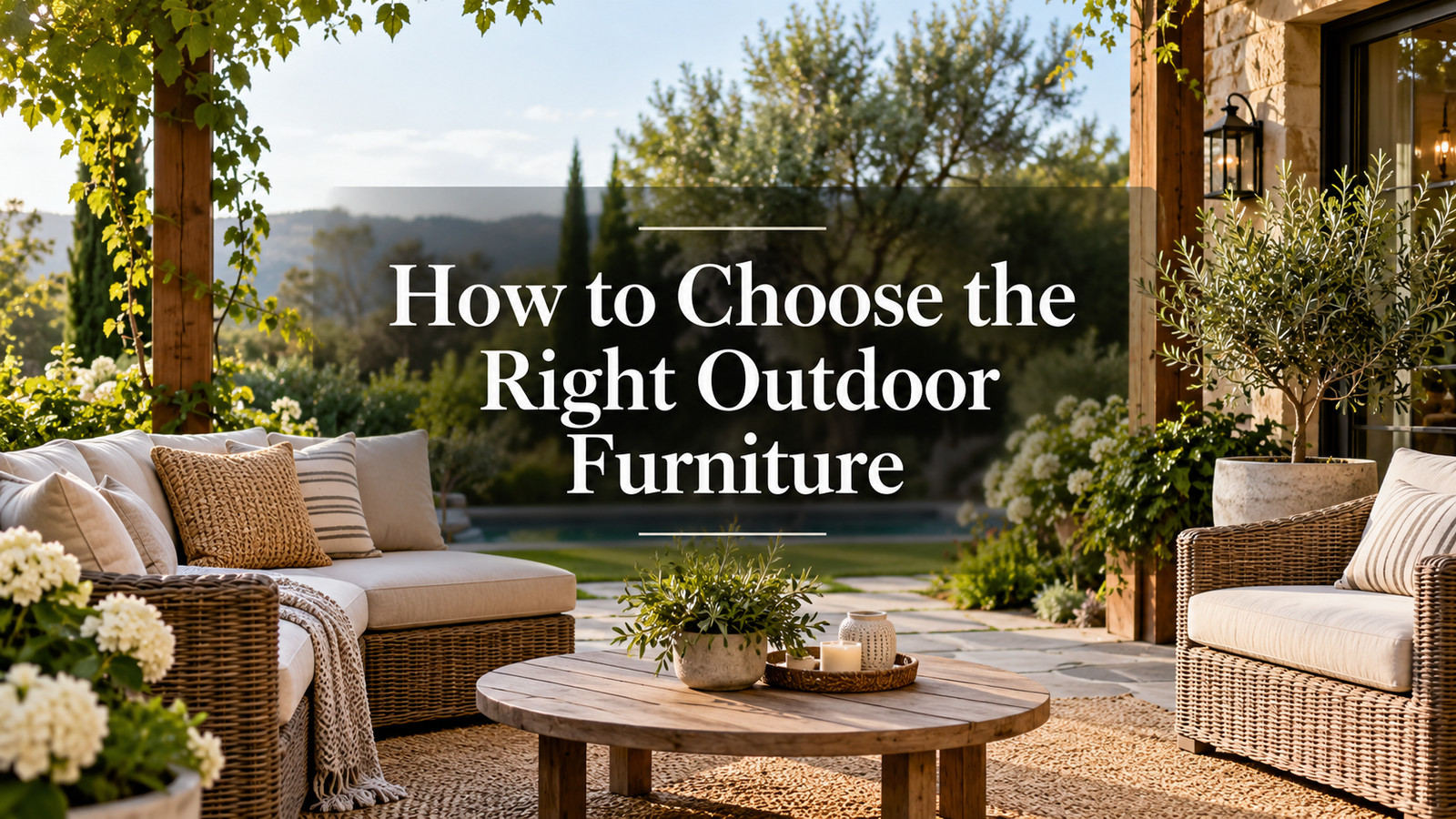
Creating a comfortable outdoor space can make your home feel larger, more relaxing, and more enjoyable. Whether you have a spacious garden, a small patio, a balcony, or a simple backyard, the furniture you choose plays an important role in how the area looks and functions. Learning how to choose the right outdoor furniture can help you create a space that is comfortable, practical, attractive, and suitable for everyday use.
Outdoor furniture is different from indoor furniture because it must deal with changing weather conditions. Sunlight, rain, moisture, dust, and temperature changes can affect furniture over time. This means appearance should not be the only factor you consider. Material, comfort, available space, maintenance, and durability are equally important.
The right outdoor furniture does not always have to be expensive. Careful planning can help you find pieces that suit your lifestyle and provide good value for many years.
Understand How You Want to Use Your Outdoor Space
Before buying anything, think about how you plan to use your outdoor area.
Some people want a peaceful place where they can enjoy tea or read a book. Others may want a dining area for family meals. You may also want a comfortable space for entertaining friends, relaxing in the evening, or spending time with children.
Your intended use will determine the type of furniture you need.
For example, a small table with two comfortable chairs may be enough for a quiet balcony. A larger family may benefit from an outdoor dining table with several chairs. If relaxation is your priority, comfortable lounge chairs and a small side table may be more useful.
Having a clear purpose prevents you from buying furniture simply because it looks attractive in a shop.
Measure the Available Space Carefully
One of the most important outdoor furniture buying tips is to measure your space before making a purchase.
Furniture often appears smaller when displayed in a large showroom. After bringing it home, you may discover that it takes up much more room than expected.
Measure the length and width of your patio, balcony, deck, or garden seating area. Consider how much space will remain once the furniture is placed there.
People should still be able to walk comfortably around tables and chairs.
For dining areas, remember that chairs need additional space behind them so people can sit down and stand up easily.
If your outdoor area is small, choose compact furniture instead of trying to fit oversized pieces into the space.
Choose Furniture That Matches the Size of the Area
The scale of outdoor furniture has a major effect on the appearance of a space.
Large sofas and heavy tables can make a small patio feel crowded. On the other hand, very small furniture may look lost in a large garden.
Try to maintain balance.
For smaller areas, lightweight chairs, folding tables, benches, and compact seating arrangements can work well. Furniture with simple shapes also helps the space feel less crowded.
Larger outdoor areas provide more freedom. You may create separate zones for dining, relaxing, and entertaining.
Choosing furniture according to the size of the area creates a more organized and comfortable environment.
Select the Right Outdoor Furniture Material
Material is one of the most important things to consider when choosing outdoor furniture.
Different materials have different advantages, maintenance requirements, and levels of durability.
Wood remains popular because of its natural and warm appearance. It blends beautifully with gardens and outdoor surroundings. However, some types of wood require regular maintenance to protect them from moisture and sunlight.
Metal furniture can be strong and elegant. Aluminum is especially useful outdoors because it is relatively lightweight and resistant to rust. Other metals may require protective coatings to prevent corrosion.
Plastic and resin furniture can be practical for people looking for affordable and low maintenance options. Modern designs are available in many attractive styles.
Woven outdoor furniture is also popular because it creates a relaxed and comfortable appearance. When choosing woven pieces, make sure they are designed specifically for outdoor conditions.
The best outdoor furniture material depends on your climate, budget, style, and willingness to perform regular maintenance.
Consider Your Local Weather
Your local climate should influence your furniture choice.
If your area receives strong sunlight for much of the year, look for materials and fabrics that can handle prolonged sun exposure. Some materials may fade or become brittle when exposed to intense sunlight.
In areas with frequent rain or high humidity, moisture resistance becomes especially important.
Wind is another factor that people sometimes forget. Very lightweight chairs and tables may move during strong winds. Heavier furniture may be more practical in exposed areas.
Understanding the weather conditions around your home can help you select furniture that lasts longer.
Make Comfort a Priority
Beautiful furniture is not very useful if nobody enjoys sitting on it.
Whenever possible, test outdoor chairs and sofas before purchasing them. Pay attention to the seat height, back support, and overall shape.
Deep seating can be excellent for relaxation, while upright chairs may be more suitable for outdoor dining.
Cushions can make outdoor furniture much more comfortable. Look for cushions made from materials intended for outdoor use. These fabrics usually handle moisture and sunlight better than ordinary indoor fabrics.
Comfort becomes especially important if you plan to spend several hours outside at a time.
Look for Quality Construction
Two pieces of outdoor furniture may look similar but differ significantly in quality.
Inspect furniture carefully before buying it.
Check whether chairs feel stable when you sit on them. Tables should not wobble easily. Connections between different parts should feel secure.
For wooden furniture, look for smooth surfaces and solid construction. For metal furniture, inspect joints and protective finishes.
Quality construction may cost more initially, but strong furniture often provides better value over time because it does not need to be replaced as quickly.
Think About Maintenance Requirements
Every type of outdoor furniture requires some care, although certain materials require much less maintenance than others.
Before buying furniture, consider how much time you are willing to spend cleaning and maintaining it.
Some wooden furniture may need occasional treatment to preserve its appearance. Metal furniture may need to be checked for signs of corrosion. Cushions and fabric covers may require regular cleaning.
If you prefer something simple, look for furniture that can be cleaned easily with mild soap and water.
Low maintenance outdoor furniture can be especially useful for busy households.
Choose Practical Outdoor Fabrics
Outdoor cushions and upholstery need to handle conditions that ordinary indoor fabric may not tolerate.
Look for fabrics designed for exterior use. These materials are generally more resistant to moisture, sunlight, and fading.
Removable cushion covers are particularly convenient because they are easier to wash.
It is also helpful to choose cushions that dry relatively quickly after getting wet.
Even weather resistant cushions can last longer when they are stored in a dry location during long periods of rain or when the furniture is not being used for an extended time.
Consider Storage Before Buying
Storage can significantly extend the life of outdoor furniture and accessories.
Before purchasing large furniture sets, think about what will happen during bad weather or seasons when your outdoor area is used less frequently.
Folding chairs and stackable furniture can be excellent choices when storage space is limited.
Outdoor storage boxes can be useful for cushions, table covers, and smaller accessories.
If furniture is too large to store indoors, protective covers may help keep it cleaner and reduce direct exposure to the weather.
Planning for storage before buying furniture prevents difficulties later.
Keep Your Home Style in Mind
Outdoor areas are often an extension of the home.
Choosing furniture that complements the style of your house can make the transition between indoor and outdoor spaces feel more natural.
A modern home may look attractive with simple furniture featuring clean shapes. A traditional garden may suit wooden furniture or classic designs.
You do not need to match everything perfectly.
Using similar colors, materials, or design elements can create visual connection without making the space feel overly planned.
Choose Colors Carefully
Color can influence the atmosphere of an outdoor area.
Neutral colors such as beige, gray, brown, and natural wood tones are easy to combine with different surroundings.
If you enjoy brighter colors, cushions and accessories are a simple way to introduce them.
This approach also allows you to change the appearance of your outdoor space without replacing expensive furniture.
Plants, flowers, outdoor rugs, and decorative cushions can add color while keeping the main furniture simple and versatile.
Think About Flexibility
Outdoor spaces often serve several purposes.
A patio may be used for breakfast in the morning, relaxation in the afternoon, and entertaining guests in the evening.
Flexible furniture makes it easier to adapt the space.
Lightweight chairs can be moved when needed. Small tables can serve as side tables or additional dining surfaces. Stackable chairs can be stored when they are not required.
Modular seating can also be useful because different sections may be rearranged depending on the occasion.
Flexible furniture can make even a small outdoor area more functional.
Consider Shade and Sun Protection
Comfortable outdoor furniture is only one part of creating an enjoyable seating area.
If the space receives strong sunlight, think about shade.
An outdoor umbrella can provide protection over a dining table or seating arrangement. Covered patios, pergolas, and other shade structures can also make outdoor spaces more comfortable during warm weather.
When arranging your furniture, observe how sunlight moves through the area during the day.
A location that is comfortable in the morning may become very hot later in the afternoon.
Understanding sunlight patterns can help you determine the best place for your furniture.
Set a Realistic Budget
Outdoor furniture is available in many different price ranges.
Setting a budget before shopping can help you focus on suitable options.
Instead of purchasing the cheapest furniture available, consider value over time. A slightly more expensive table or chair may be worthwhile if it is comfortable, durable, and easy to maintain.
You can also build your outdoor space gradually.
Start with essential pieces such as seating and a table. Decorative accessories, extra chairs, and additional features can be added later.
This approach can make creating an outdoor area more affordable.
Avoid Buying Too Much Furniture
A common mistake is filling every available section of an outdoor area.
Open space is important.
A patio should have enough room for people to walk comfortably and move chairs without difficulty. Gardens often look more attractive when furniture complements the natural surroundings rather than covering too much of the area.
Begin with essential items.
After using the space for a while, you will have a better understanding of whether additional furniture is actually necessary.
Look for Furniture That Is Easy to Clean
Outdoor furniture naturally collects dust, pollen, leaves, and other debris.
Furniture with complicated surfaces may require more cleaning than simple designs.
Before buying a piece, consider how easy it will be to maintain.
Smooth surfaces can usually be wiped quickly. Removable cushion covers are easier to wash. Furniture that can handle occasional cleaning with water and mild soap can save considerable effort.
Regular simple cleaning also helps furniture maintain its appearance for longer.
Pay Attention to Small Details
Small design details can have a surprisingly large effect on everyday comfort.
Check whether armrests are positioned comfortably. Make sure table heights work well with the chairs you plan to use.
Consider whether chair legs will remain stable on your outdoor surface.
Furniture placed on soft soil or grass may need wider legs than furniture placed on a solid patio.
These details are easy to overlook when shopping, but they become noticeable once the furniture is used regularly.
Create a Balanced Outdoor Seating Area
Once you have selected the main furniture, think about the overall arrangement.
Place furniture in a way that encourages conversation and comfortable movement.
For a social seating area, chairs can face each other rather than all pointing in the same direction.
Keep small tables within easy reach of seats so people have somewhere to place drinks, books, or other items.
Plants can soften the appearance of furniture and connect the seating area with the surrounding garden.
An outdoor rug may also help define a seating area on a large patio.
Choose Furniture for Long Term Use
Trends can be appealing, but outdoor furniture is usually expected to last for several years.
Choosing simple and timeless designs can make it easier to keep your outdoor space looking attractive as styles change.
You can always update the appearance with cushions, plants, rugs, lanterns, or other accessories.
Investing in versatile furniture allows you to refresh the space without replacing the main pieces.
Final Thoughts
Learning how to choose the right outdoor furniture is mainly about finding a balance between comfort, durability, appearance, and practicality. Start by understanding how you want to use your outdoor space and measuring the available area carefully. Then consider materials, weather conditions, comfort, maintenance, storage, and your personal style.
Good outdoor furniture should make spending time outside easier and more enjoyable. It should fit naturally into your space without making the area feel crowded.
Instead of choosing furniture based only on appearance, think about how it will perform during everyday use. A comfortable chair, a practical table, and durable materials can provide more satisfaction than furniture selected only because it follows a current trend.
With careful planning, even a small balcony or simple backyard can become a welcoming place for relaxing, eating, talking, and enjoying fresh air. The right outdoor furniture helps turn an unused exterior area into a comfortable extension of your home.


